
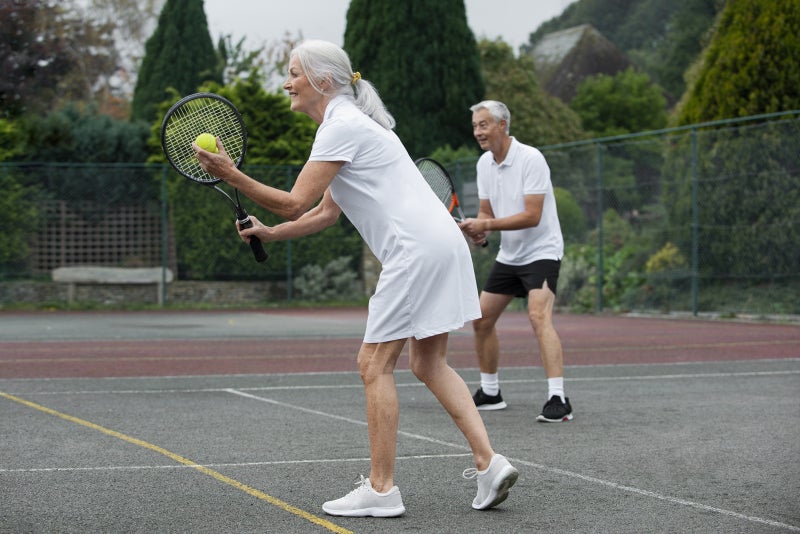
Staying active isn’t just about fitness – it’s also about freedom.
As we age, mobility, strength and balance become the foundation of independence. Our ability to move confidently and avoid injury affects everything, from climbing stairs to carrying groceries to playing pickleball or swinging a tennis racquet.
Simply put: quality of life is closely tied to how well we move.
What Happens to Our Bodies as They Age?
Aging brings natural, predicable physical changes, including:
- A gradual decline in muscle mass and strength
- Decreased elasticity in tendons and ligaments
- Natural wear of joint cartilage
- Reduced bone density
“These changes can affect balance, coordination, flexibility and overall resilience,” says Dr. Cory Messerschmidt, board-certified and fellowship-trained orthopedic surgeon with Beaufort Memorial Orthopaedic Specialists. “Much of these changes, however, can be modified with movement as we age. Through smart, consistent training, we can slow these processes, strengthen supporting structures and significantly reduce injury risk.”
The Big Three: Muscles, Joints and Bones
Healthy movement, no matter your age, relies on three key systems working together:
- Muscles protect and stabilize our joints.
- Joints allow for smooth, efficient motion.
- Bones provide structure and absorb impact.
When one of these three components weakens, the others can overcompensate, potentially leading to injury. Maintaining strength, mobility and overall bone health keeps this system balanced and resilient.
Protect Your Play
As you’ve gotten a little older, maybe you’ve picked up pickleball, golf or tennis. Maybe you’ve joined a wellness center, or you have started walking every day. Staying active is one of the best investments you can make in your long-term health.
“Train smarter, not just harder,” Dr. Messerschmidt advises. “To do this, match your activity to your current fitness level and avoid sudden spikes in intensity or frequency.”
Play the long game: the goal isn’t short-term gains. It’s sustainable strength and a foundation for longevity by living an active, maintainable lifestyle.
Read More: Shin Splints: How to Run Away From This Painful Condition
Supporting Your Body as You Age
An effective, age-smart fitness plan should prioritize the following components:
Strength Training
Consistent strength training is essential at every age, Dr. Messerschmidt says. Focus on:
- Core stability
- Hips and legs
- Upper body and shoulders
Progressive loading – gradually increasing resistance – builds resilience while minimizing the risk of injuries while training.
Mobility and Flexibility
Maintaining joint range of motion reduces stiffness and supports proper movement patterns as we age. Incorporate dynamic warmups before physical activity and take time for gentle stretching afterward.
Balance and Coordination
Balance training reduces fall risk and boosts confidence in movement. Try:
- Single-leg exercises
- Functional, real-world movement that mimics daily activities
Balance training isn’t just for fall prevention, but can be helpful while you’re playing pickleball, tennis or engaging in your favorite active pastime.
 Don't Skip Recovery
When you live an active lifestyle, rest isn’t lazy – it’s a strategy.
“During recovery, your body repairs and rebuilds,” Dr. Messerschmidt explains. “Prioritize getting a good night’s sleep, drinking enough water to maintain hydration and keeping your diet balanced. Incorporate active recovery, too, with activities like light walking and stretching.”
Skipping rest increases your risk of overuse injuries and chronic pain.
Signs You May Be Overdoing It
There is a difference between muscle soreness and injury warning signs. Pay attention to signals such as:
- Pain that persists or worsens
- Swelling or stiffness that doesn't go away
- Decreased range of motion
- Loss of strength or stability
“Pushing through pain” can turn a minor issue into a major, long-term problem. Early intervention often means a quicker recovery.
Read More: Overtraining Syndrome: 3 Habits That Put You at Risk
Protecting Key Joints
Certain joints are especially vulnerable to overuse and age-related stress. A proactive approach can help.
Knees
- Strengthen hips and quadriceps
- Avoid sudden increases in activity that may strain your joints
Hips
- Maintain mobility and core strength
- Address stiffness early
Shoulders
- Balance pushing and pulling exercises
- Protect rotator cuff health
Elbows
- Manage repetitive stress
- Use proper technique during racquet sports or weight training
Small adjustments in form, load and frequency can make a significant difference.
Read More: Preventing Sports Injuries
Move Smarter, Not Less
Aging doesn’t mean avoiding activity. It means modifying movement wisely.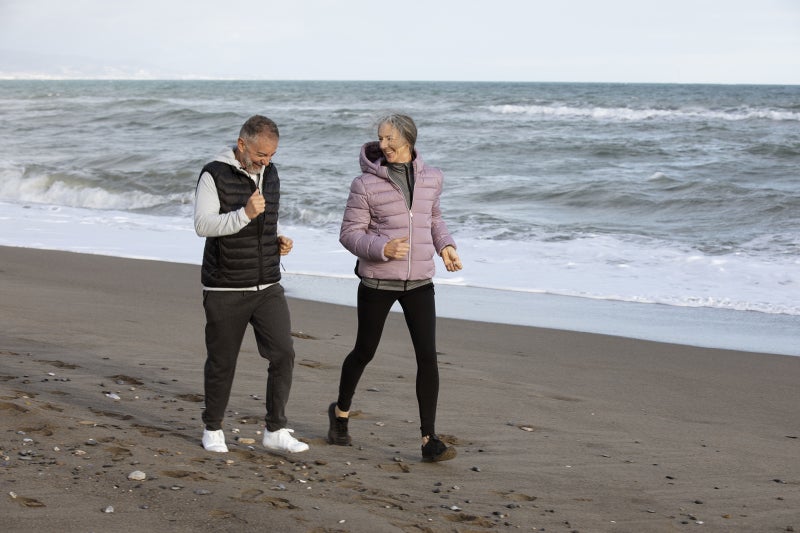
- Cross-train to reduce repetitive joint stress
- Explore new equipment or lower-impact options
- Adjust intensity while maintaining consistency
Activity modification, not avoidance, keeps you moving safely.
“Strength, mobility and balance are trainable at any age. Injury prevention starts with awareness, proper technique and smart recovery habits,” says Dr. Messerschmidt. “By protecting your muscles, joints and bones, you protect your independence and your ability to keep doing what you love.”
Joint pain doesn’t have to be part of your routine. Request an appointment with a Beaufort Memorial orthopedic sports medicine specialist and take the first step toward moving better.
Featured Medical Expert

Cory A. Messerschmidt, M.D., FAAOS
Orthopedic Surgery +1 more
Accepting new patients
Related Providers

Cory A. Messerschmidt, M.D., FAAOS
Orthopedic Surgery +1 more
Accepting new patients
Beaufort Memorial Orthopaedic Specialists - Port Royal
1680 Ribaut Road
•
Port Royal,
SC
29935