
Preventing Sports Injuries: How to Protect Your Bones and Joints for Lifelong Activity
September 7, 2026Categories: Sports Medicine or Injuries, Orthopedics
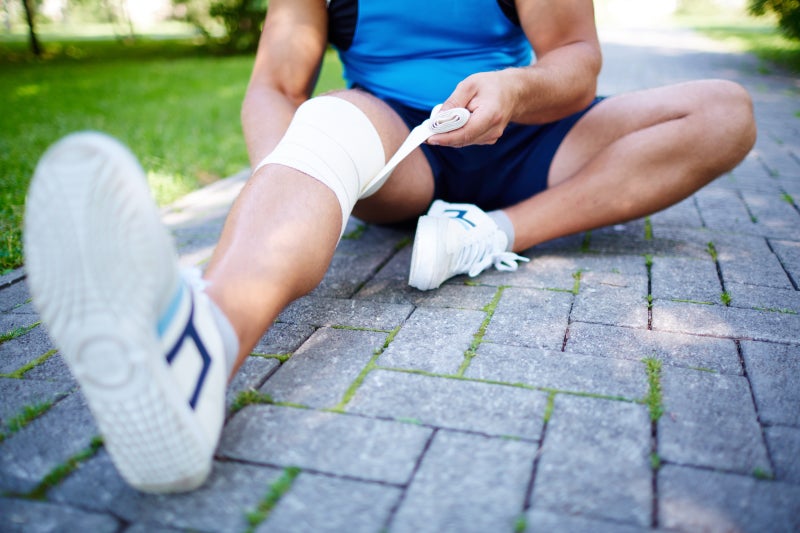
Whether you’re training for a race, playing pickleball with friends or simply trying to stay active, protecting your bones, muscles and joints is essential for maintaining mobility – and avoiding injury.
Many people assume sports injuries only affect competitive athletes. In reality, active adults and “weekend warriors” are often at greater risk for injury because they may increase activity levels too quickly, exercise inconsistently or participate in sports without adequate conditioning.
“Many bone, joint and sports-related injuries are preventable,” said Dr. Cory Messerschmidt, a board-certified, fellowship-trained orthopedic surgeon and sports medicine specialist at Beaufort Memorial Orthopaedic Specialists. “With proper preparation, strength training and recovery, you can stay active while reducing your risk of injury.”
How Can You Prevent Sports Injuries?
The most effective way to prevent sports injuries is to maintain a balanced fitness routine that includes:
- Cardiovascular exercise
- Strength training
- Flexibility and mobility work
- Proper warm-ups and cool-downs
- Adequate rest and recovery
- Gradual progression of activity levels
Simple habits can reduce the risk of strains, sprains and overuse injuries, including stretching, increasing training gradually and avoiding workouts when fatigued or experiencing pain.
The most common causes of sports injuries include:
- Overuse and repetitive motions
- Poor conditions
- Inadequate warm-up routines
- Improper technique
- Training too hard, too fast
- Wearing improper footwear or using the wrong equipment
- Not allowing enough recovery time between activities
Read More: Safety on the Run Tips to Prevent Running Injuries
Preventing Shoulder Injuries
Why Are Shoulder Injuries So Common?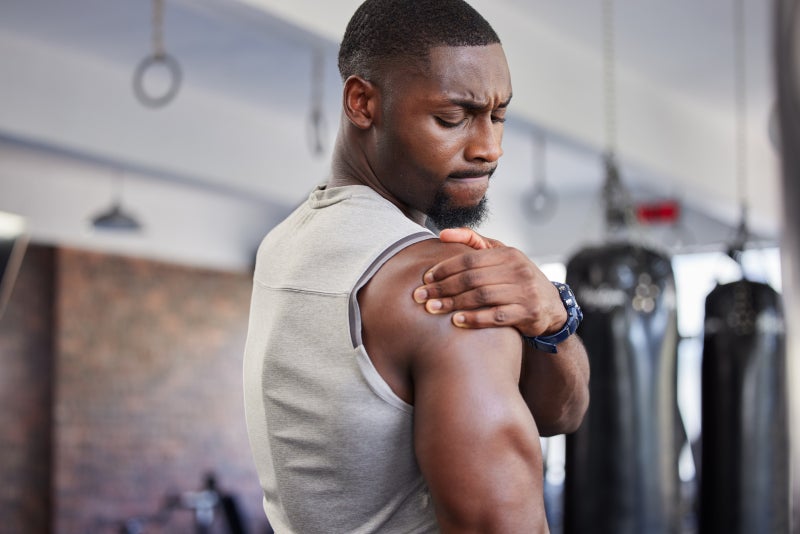
The shoulder is the body’s most mobile joint, making it particularly susceptible to injury. Rotator cuff tears, shoulder impingement and labral injuries frequently occur in sports requiring repetitive overhead motion, like golf, tennis, swimming, baseball, softball and weightlifting.
Ways to Protect Your Shoulders
- Warm up before activity
- Strengthen shoulder and upper back muscles
- Practice proper throwing, lifting and swinging techniques
- Avoid sudden increases in resistance or training volume
- Address minor shoulder pain before it becomes a chronic problem
Research shows that properly conditioned muscles are less likely to experience strain and injury during physical activity.
Read More: Overtraining Syndrome: 3 Habits That Put You at Risk
How to Prevent Tennis Elbow and Other Elbow Injuries
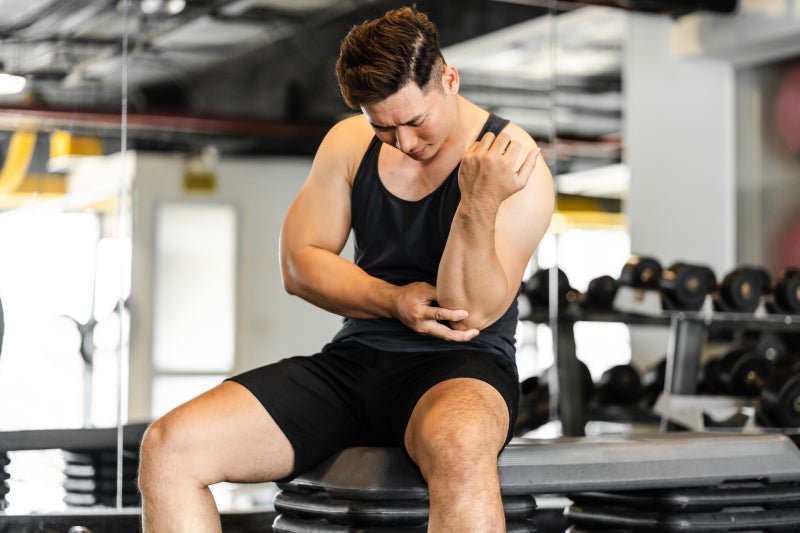 Elbow pain is commonly associated with overuse injuries such as tennis elbow, which occurs when tendons become irritated from repetitive gripping, lifting or swinging motions.
These conditions affect not only tennis players, but also golfers, pickleball enthusiasts, gardeners and active adults performing repetitive tasks.
Elbow Injury Prevention Tips
- Strengthen forearm muscles
- Use proper equipment and grip size
- Focus on correct mechanics and technique
- Take breaks during repetitive activities
- Seek medical attention if pain persists
“Early intervention often prevents minor overuse injuries from progressing into longer-term problems,” says Dr. Messerschmidt.
Read More: Tennis Elbow Treatment Isn’t Just for Tennis Players
Protecting Your Knees During Exercise and Sports
Why Are Knee Injuries So Common?
The knee is one of the most heavily used joints in the body.
Activities involving running, jumping, pivoting and sudden directional changes place significant stress on the knee, increasing the risk of ligament tears, meniscus injuries and cartilage damage.
Best Ways to Prevent Knee Problems
- Strengthen hips, glutes and core muscles
- Use proper technique
- Incorporate balance and stability exercises into your routine
- Gradually increase workout intensity
- Never ignore persistent knee pain
Dr. Messerschmidt notes that strengthening the muscle groups around the knee can help stabilize the joint and reduce any excess strain during physical activity.
Preventing Shin Splints and Stress Fractures
Shin splints are among the most common running injuries and often develop when training volume increases too quickly.
In some cases, persistent shin pain may indicate a stress fracture, requiring professional evaluation.
How to Reduce Your Risk
- Increase distance and intensity gradually
- Replace worn-out athletic shoes
- Cross-train to minimize repetitive stress
- Schedule recovery days
- Seek medical attention for persistent pain
Avoiding sudden spikes in training volume can help protect bones and connective tissues from excessive stress.
Read More: Shin Splints: How to Run Away From This Painful Condition
Keeping Ankles Strong and Stable
What Makes Ankle Sprains So Common?
Ankle sprains frequently occur during sports that involve running, jumping, cutting, pivoting or navigating uneven terrain.
Improper, unsupportive footwear and weak stabilizing muscles can increase injury risk.
Ankle Injury Prevention Strategies
- Wear sport-specific footwear
- Strengthen lower leg and ankle muscles
- Practice balance training
- Warm up before activity
- Use caution on uneven surfaces
The right footwear can improve overall stability, support proper biomechanics and reduce the risk of ankle injuries.
Know When Pain is a Warning Sign
One of the most overlooked injury prevention strategies is listening to your body.
“Mild muscle soreness after exercise can be normal, but persistent pain shouldn’t be ignored,” Dr. Messerschmidt says. “Continuing to exercise or ‘push through’ pain may worsen an injury and extend your recovery time.”
Warning signs that may indicate it’s time to seek medical help include:
- Persistent pain
- Swelling
- Bruising
- Weakness
- Loss of range of motion
- Difficulty bearing weight
- Pain that interferes with daily activities
Stay Active While Protecting Your Bones and Joints
By focusing on proper conditioning, strength, flexibility, recovery and injury prevention, you can reduce your risk of common orthopedic problems and continue enjoying the activities you love.
Reduce injury risk by warming up, strengthening muscles, improving flexibility, increasing activity gradually and resting adequately between workouts.
Strong muscles, correct form and appropriate footwear can help prevent common injuries of the shoulder, elbows, knees, shins and ankles.
Persistent pain, swelling, weakness or limited mobility shouldn’t be ignored; early evaluation and treatment can prevent more serious orthopedic injuries.
Joint pain doesn't have to be part of your routine. Request an appointment with a Beaufort Memorial orthopedic sports medicine specialist and take the first step toward moving better.
Featured Medical Expert

Cory A. Messerschmidt, M.D., FAAOS
Orthopedic Surgery +1 more
Accepting new patients
Related Providers

Cory A. Messerschmidt, M.D., FAAOS
Orthopedic Surgery +1 more
Accepting new patients
Beaufort Memorial Orthopaedic Specialists - Port Royal
1680 Ribaut Road
•
Port Royal,
SC
29935