
Tennis Elbow Treatment Isn’t Just for Tennis Players
February 3, 2026Categories: Sports Medicine or Injuries
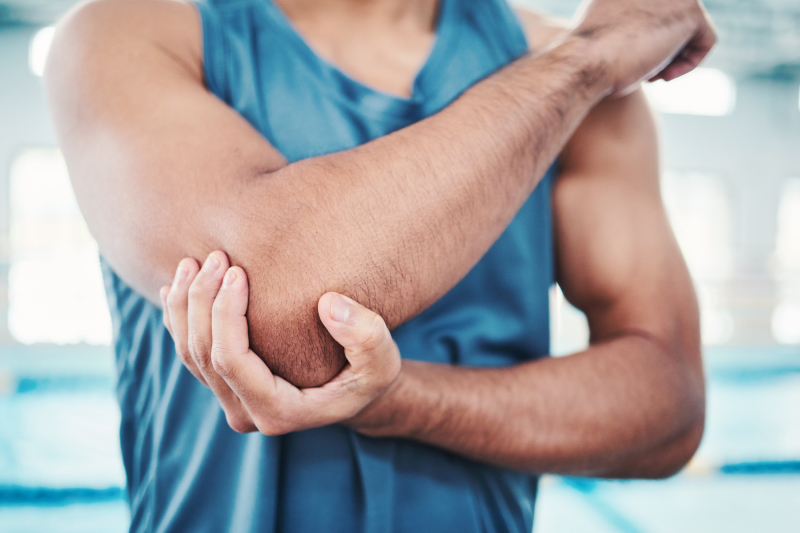
If your grip weakens or you experience pain in the outer area of your elbow, it may be more than the effects of aging — you may have tennis elbow. Proper tennis elbow treatment can bring relief and restore function, even if you’ve never stepped on a tennis court.
“Only around 10% of patients who develop tennis elbow are actual tennis players,” says Dr. Cory A. Messerschmidt, a board-certified, fellowship-trained orthopedic surgeon at Beaufort Memorial Orthopaedic Specialists in Port Royal and Okatie. “Surprisingly, people who perform repetitive motions during manual labor are more likely to get tennis elbow than those who play tennis.”
Read More: Elbow Bursitis 101: Decoding Your Elbow Pain
The Causes and Symptoms of Tennis Elbow
Also known as lateral epicondylitis, tennis elbow is a type of overuse injury. While it causes elbow pain, tennis elbow affects your forearm muscles.
The problem occurs when you repeatedly perform the same movement with your wrist and elbow. Over time, this can make small tears in the tendon that attaches muscle to bone. If the tendon doesn’t heal, it causes pain and tenderness. The problem typically worsens slowly over a period of weeks or months, and it’s more common in the dominant arm.
Without tennis elbow treatment, you may continue to experience symptoms, which include:
- Burning sensation on the outer part of your elbow
- Pain in the outer part of your elbow
- Weak grip
“The pain may radiate down your arm when you use your forearm,” Dr. Messerschmidt says. “Simple tasks such as opening a jar, shaking hands, or using a wrench may make your pain worse. It may even be so bad it keeps you up at night.”
Read More: Preventing Sports Injuries
Know Your Risk for Tennis Elbow
While it can occur at any age, tennis elbow is most common between the ages of 30 and 50, according to the American Academy of Orthopaedic Surgeons. Along with age, your risk increases if you have a history of smoking or smoke currently. Research found that up to half of recreational tennis players will experience tennis elbow.
“You are more likely to feel pain from the condition when hitting backhand,” Dr. Messerschmidt says. “People who play other racket sports, such as squash or pickleball, are also at risk.”
However, athletes who play racket sports aren’t the only people at risk. Anyone at any age who performs repetitive work or activities with their forearms can experience the condition. Other people who commonly receive a tennis elbow diagnosis and treatment include:
- Athletes who participate in sports ranging from arm wrestling to fishing
- Cooks and butchers
- Manual laborers, such as carpenters, painters and plumbers
- Musicians, including drummers, piano players and violinists
- People who work at a cash register or computer
- Seamstresses and tailors
Read More: Common Elbow Injuries: How to Reduce Your Risk
Tennis Elbow Treatment: First Steps
Before beginning tennis elbow treatment, you need a clear diagnosis. Your healthcare provider will ask about your symptoms and examine your hurting arm. If necessary, your provider may recommend an imaging exam, such as an MRI.
Once you have a diagnosis, you can work with your care team to treat tennis elbow. The first step is usually to rest your arm for a couple of weeks. As you do, apply ice two or three times a day for 15 minutes at a time, and take nonsteroidal anti-inflammatory drugs (NSAIDs) to relieve pain.
“If you are an athlete with tennis elbow, part of your treatment may involve adjusting your equipment or working with a professional trainer to improve your form,” Dr. Messerschmidt says. “People with work-related injuries may also need to adjust how they do their tasks.”
Additional Conservative Elbow Treatments
There are several nonsurgical tennis elbow treatments that help alleviate pain and reduce the risk of future overuse. Some are accepted standards of care, and others are safe, alternative approaches that often bring relief.
Treatment options that may help you include:
- Acupuncture — A provider inserts tiny needles into pressure points, which may help with pain stemming from tennis elbow.
- Bracing — A brace supports the elbow and reduces symptoms by resting and relieving your muscles and tendons.
- Extracorporeal shock wave therapy — Sound waves cause tiny tears in the injured tendons and muscles, encouraging faster healing.
- Injections — Your provider injects corticosteroids into the affected arm, helping to reduce pain and inflammation.
- Occupational therapy and physical therapy — With occupational and physical therapy, you strengthen the affected muscles and learn new ways to perform activities that don’t result in tennis elbow.
- Platelet-rich plasma (PRP) — Some of your blood is taken and separated into its different parts. Your provider then injects the platelets from your blood into your elbow to enhance healing.
Read More: Find the Best Shoes for Knee Pain: A Runner’s Guide
Surgery: When Symptoms Persist Despite Tennis Elbow Treatment
If you continue to feel pain and weakness after a year of nonsurgical tennis elbow treatments, surgery may be necessary. During surgery, the orthopedic surgeon removes the damaged portion of the tendon and reattaches the tendon to the bone.
Depending on your overall health, desires and severity of injury, your surgeon may recommend one of two surgical approaches.
Arthroscopic surgery
With this minimally invasive approach, your surgeon repairs your damaged tendon through a series of small incisions. A tiny camera visualizes the area inside your elbow, and the surgeon uses small tools to perform the procedure. You will likely return home the same day as your surgery and experience less pain and a quicker recovery than with traditional approaches.
Open surgery
The surgeon performs the operation through a single, larger incision. Most tennis elbow procedures are performed with this technique, and it’s typically an outpatient procedure.
“Surgical procedures are successful in up to 90% of patients, but there is a risk of infection, nerve damage or other complications,” Dr. Messerschmidt says. “You may also lose strength after surgery, so it’s important to do all the exercises your physical therapist recommends as you heal.”
Game, Set, Match on Tennis Elbow Treatments
- Tennis elbow can cause frustrating symptoms that slow you down on the court, at work and beyond. Proper treatment can help you regain function and movement of your affected arm.
- Tennis elbow can affect anyone who performs repetitive arm and wrist movements. It occurs when tiny tears in the forearm tendon fail to heal, causing pain and weakness.
- Tennis elbow treatment typically begins with rest and other conservative measures, including bracing, physical therapy and corticosteroid injections.
When conservative care doesn’t bring relief, surgery may help. In most cases, you go home the same day and experience lasting pain relief.
Request an appointment with an orthopedic sports medicine specialist at Beaufort Memorial.
Featured Medical Expert
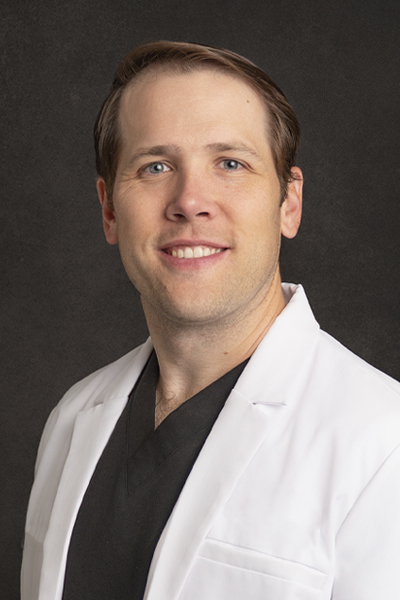
Cory A. Messerschmidt, M.D., FAAOS
Orthopedic Surgery +1 more
Accepting new patients
Related Providers

Cory A. Messerschmidt, M.D., FAAOS
Orthopedic Surgery +1 more
Accepting new patients
Beaufort Memorial Orthopaedic Specialists - Port Royal
1680 Ribaut Road
•
Port Royal,
SC
29935