
Outrun Sports Injuries to Stay Healthy and in the Game
December 29, 2025Categories: Sports Medicine or Injuries, Orthopedics

According to the National Safety Council, 4.4 million Americans wound up in the emergency department for sports-related injuries in 2024. Millions more experience less severe injuries every year. Whether you’re a weekend warrior or a full-time athlete, any injury can force you to the sidelines. With a little preparation, you may be able to stay healthy and in the game.
“Many sports injuries are easy to prevent,” says Dr. Cory A. Messerschmidt, a board-certified and fellowship-trained orthopedic surgeon at Beaufort Memorial Orthopaedic Specialists. “It’s important to know what not to do before you hit the field, park or gym, especially if your exercise habits have slipped during the pandemic.”
Read More: Is It a Sprain, Strain or Fracture?
Common Sports Injuries
Acute sports injuries happen suddenly, while chronic ones develop over time. Both cause significant problems that may force you to the sidelines.
Common types of sports injuries include:
- Bone fracture — Falling to the ground, colliding with another player or running into a stationary object can result in a cracked or broken bone.
- Concussion — A direct blow in contact sports may jostle your brain inside your skull.
- Soft tissue injury — You strain, sprain or rupture tendons, muscles or ligaments. This leads to injuries, such as a torn Achilles tendon, damaged rotator cuff, tennis elbow or whiplash.
- Joint injury — The wrong move can dislocate or otherwise injure a shoulder, elbow or knee joint. Runner’s knee and Little League elbow are two examples
Read More: ACL vs. MCL Tears
A Stretchy Way to Reduce Sports Injuries
Stretching is crucial to prevent sports injuries. Daily stretching, even on your off days, helps build strength and flexibility that can protect you in and out of season.
On game day, practice or workout day, use two types of stretching.
- Dynamic stretches — These help your body warm up before exercise. Examples include swinging your arms in large circles, lifting your knees up high and rotating your torso.
- Static stretches — When you’re done exercising, these reduce muscle soreness and aid in muscle recovery. Hold these stretches in place for a few seconds. Examples include calf and hamstring stretches.
Give Your Body a Break
To get better at your favorite sport, you have to practice. However, if you push your body too hard without rest, you may experience overuse injuries. These develop when you make the same movement over and over. This repetitive motion can damage muscles and tendons, leading to muscle strains and sprains, bone and joint pains and more.
Symptoms of an overuse injury include:
- Pain in the affected limb when playing or exercising
- Swelling and even a dull aching when at rest
Fortunately, it doesn’t take much to reduce your risk for shin splints, Little League elbow and other overuse injuries.
“Take one day off a week,” Dr. Messerschmidt says. “That lets your muscles rest and recover.”
Read More: Preventing Sports Injuries
Form and Fashion Help Prevent Sports Injuries
Want to protect your bones and muscle groups from sports injuries? Form and fashion matter.
Use proper technique. In the weight room and in the game, practice proper technique. Find out the right way to move during specific exercises and move that way every time. Ask a friend or coach to evaluate and correct your form for added protection.
Wear the right gear. The right gear depends on the type of sport you’re playing. Get sport-specific shoes and replace them as needed. You should also invest in protective gear to reduce your risk of injury in your sport.
Recognize and Treat Minor Sports Injuries at Home
Some pain during exercise is normal, especially if you’re getting back into shape after a long break. If your pain kicks in suddenly, it may not be normal soreness. It may be a sports injury.
“Trying to push yourself through serious pain will likely only make your injury worse,” Dr. Messerschmidt says. “Stress fractures, especially in the foot and ankle, often develop because people don’t listen to what their body is telling them.”
To prevent acute injuries from becoming major problems, pay attention to your body. If you feel a sudden pain, head to the sidelines. You can often treat minor injuries at home, using over-the-counter anti-inflammatory medication and the RICE method.
- Rest the injured body part to give it time to heal.
- Ice the injured area multiple times a day in 20-minute increments.
- Compress the injured area using an elastic bandage.
- Elevate the injured area above heart level.
Physical Therapy: When You Need Help Healing
Some sports injuries need more than home care. Along with bracing and other nonsurgical orthopedic treatments, physical therapy can help you regain function of your injured limb. By using specific exercises and monitoring your progress, a physical therapist can help speed up your recovery and guard against additional damage.
“Getting treatment before your pain becomes unbearable may help you prevent surgery or permanent damage,” Dr. Messerschmidt says. “It also helps you get outside and moving as soon as possible.”
Read More: Pickleball Injuries: Keep Them Out of Your Kitchen
Sports Injuries: Take a Proactive Approach
While common, sports injuries are not inevitable. By taking the right steps today, you can reduce your risk for injury tomorrow.
- Fractures, concussions and injuries to soft tissues and joints are common sports injuries that may leave you sidelined.
- You can reduce your risk for sports-related injury by stretching, resting, using proper technique and wearing the right gear.
- Many minor injuries can be treated at home with over-the-counter pain medication and RICE. A physical therapist may help bring healing without surgery.
Want help avoiding or overcoming a sports injury? Request an appointment with one of our orthopedic sports medicine specialists.
Featured Medical Expert
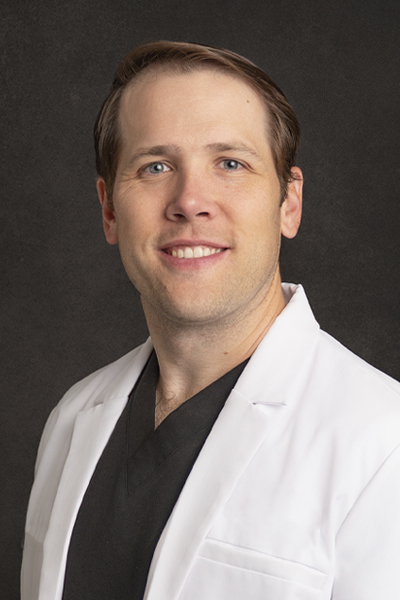
Cory A. Messerschmidt, M.D., FAAOS
Orthopedic Surgery +1 more
Accepting new patients
Related Providers

Cory A. Messerschmidt, M.D., FAAOS
Orthopedic Surgery +1 more
Accepting new patients
Beaufort Memorial Orthopaedic Specialists - Port Royal
1680 Ribaut Road
•
Port Royal,
SC
29935