
Is It a Heart Attack, or Am I Overreacting?
February 24, 2026Categories: Heart Health - Heart Attack
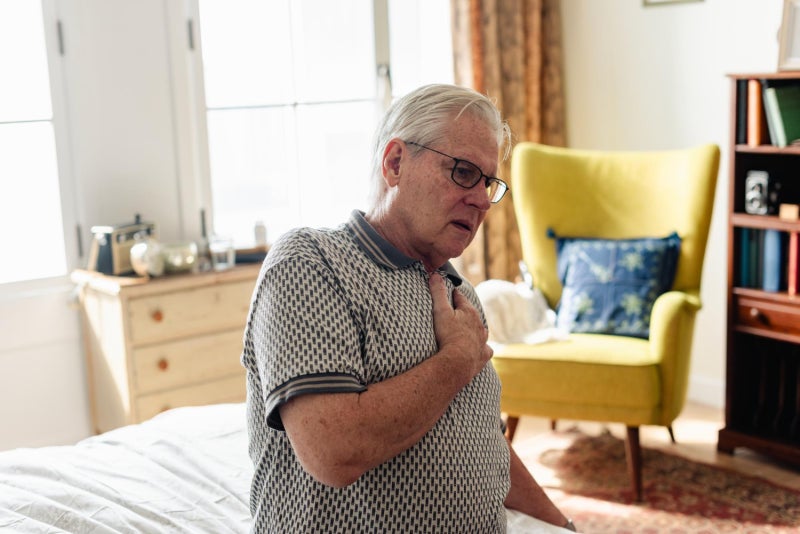
Chest pain can be alarming, and for good reason.
While not all chest discomfort signals a heart attack, it can be difficult to know the difference if it’s happening to you or a loved one.
If your chest pain is related to a heart attack, delaying care can have serious, even life-threatening consequences.
Read More: Women's Heart Attack Symptoms
Heart attacks commonly cause chest pressure, squeezing or fullness in the center or left side of the chest. Reduced blood flow to the heart can also cause angina, which may radiate to the arms, back, shoulders, jaw or neck.
However, not all chest pain stems from a heart issue. Other possible causes include:
- Acid reflux
- Gastroesophageal reflux disease (GERD)
- Muscle strain
- Panic attack
- Pneumonia
- Lung issues such as blood clots or a collapsed lung
- Gallstones
- Stomach ulcers
Determining whether chest pain is dangerous can be difficult without a medical evaluation, so it’s best to err on the side of caution.
Read More: Symptoms of Heart Disease You May Be Mistaking for Something Else
“Dull, aching pressure is generally more concerning than sharp chest pain,” said Dr. Terry Grainger, a cardiologist who sees patients at Beaufort Memorial Heart Specialists. “Pain that lasts five to 10 minutes, goes away and returns or is accompanied by other symptoms raises concern.”
Call 911 immediately if chest pain occurs alongside any of the following symptoms:
- Shortness of breath
- Nausea or vomiting
- Sweating
- Lightheadedness or dizziness
- Pain spreading to the arms, jaw, neck or back
Risk factors matter; context for chest pain is critical. It’s more concerning if you have risk factors for heart disease, including high blood pressure, high cholesterol, diabetes, obesity, are a smoker or live a sedentary lifestyle.
“If you develop concerning chest pain, take an aspirin if possible and call 911,” Dr. Grainger said. “It’s better to be safe than sorry. If you’re unsure whether chest pain is serious, seek emergency care. When it comes to your heart, fast action saves lives.”
Immediate Treatment is Key
If you experience chest pain and suspect you’re having a heart attack, you may be tempted to drive yourself or have a family member, spouse or friend drive you to the hospital for treatment.
You may think you can drive, but serious changes can occur in moments, affecting your driving ability and putting you – and other drivers on the road – at risk.
Call 911 – the trained paramedics and EMTs on an ambulance will begin your assessment on the way to the hospital, ensuring that the ER staff are prepared for your arrival.
If you’re experiencing heart attack symptoms, the sooner you get to the emergency room, the better.
Paramedics can assess your condition, monitor your vitals, administer some immediate treatments while actively communicating with the hospital to expedite necessary tests and even mobilize the on-call team, all in the ambulance on the way to the hospital.
If you or a loved one is experiencing concerning chest pain, call 911.
Are you ready to start putting your heart first? Find a Beaufort Memorial cardiologist who can help you make a plan to prevent or manage heart disease.
Featured Medical Expert

Terry Grainger, M.D., FACC
Cardiovascular Disease
Accepting new patients
Related Providers

Terry Grainger, M.D., FACC
Cardiovascular Disease
Accepting new patients
Beaufort Memorial Heart Specialists
300 Midtown Drive
•
Beaufort,
SC
29906