
Symptoms of Heart Disease You May Be Mistaking for Something Else
January 30, 2026Categories: Heart Health

For the past century, heart disease has taken the lives of more Americans than any other single cause, according to the American Heart Association. One reason it’s so dangerous is that the symptoms of heart disease often go unnoticed.
“Almost everyone understands that sudden, crushing chest pain is one of the telltale symptoms of a heart attack,” says Dr. Terry Grainger, a board-certified cardiologist at Beaufort Memorial Heart Specialists. “However, a heart attack isn’t the only threat your heart faces, and symptoms aren’t always obvious. Heart disease often brings fewer concerning symptoms that you’re likely to ignore.”
Here are a handful of less obvious symptoms that may indicate your heart is in trouble.
Read More: What Your Irregular Heartbeat May Be Telling You
Feeling Fatigued? It May Be Heart Disease
If you don’t have the energy for everyday life, it may not be due to old age or staying up too late. You may have heart failure, a type of heart disease.
Heart failure weakens your heart. A weakened heart muscle can’t pump enough blood to meet your entire body’s needs. So, it goes into protection mode, reducing blood flow to less vital organs and redirecting blood to your heart and brain.
This redirection of blood results in a range of fatiguing symptoms, such as:
- Constant tiredness
- Difficulty walking, climbing stairs and performing other simple tasks of daily living
- Feeling sleepy after eating a meal
- Leg weakness while walking
Heart failure isn’t the only heart disease that can cause fatigue. Excessive tiredness is also normal with arrhythmias (abnormal heart rhythms) or coronary artery disease (CAD). These conditions reduce blood flow to or from the heart. When that happens, the result may include reduced energy.
Read More: Coronary Calcification: A Warning for Your Heart
Shortness of Breath May Be a Heart Issue
“We often think that breathing problems start and end with the lungs or being out of shape,” Dr. Grainger says. “The truth is that one of the symptoms of heart disease is having a hard time breathing.”
Along with heart failure, two other common types of heart disease can cause breathing issues.
- Heart attack — Cholesterol, fats and other substances build up in the arteries that lead to the heart. This restricts blood flow to the heart, causing a heart attack.
- Pulmonary hypertension — Arteries in the lungs narrow. Your heart must then work harder to push blood through the lungs, which can lead to swelling or the buildup of fluids.
Read More: Signs of a Heart Attack in Women: Not What You Might Expect
Coughing Your Way to Heart Disease
Everyone coughs on occasion. Heart failure can result in a frequent cough that lasts for days, weeks or even months. In some cases, the cough may produce pink or bloody mucus.
This happens because of the following process:
- Your weakened heart can’t pump enough blood into your body.
- Blood backs up in the blood vessels that connect the lungs to the heart.
- With nowhere else to go, fluid from the blood leaks out of the pulmonary veins and builds up in the lungs.
- You cough as a result of irritation of the airways.
Read More: Panic Attack vs. Heart Attack: Symptoms Don’t Tell the Whole Story
Other Atypical Heart Disease Symptoms
Your heart is the most important muscle in your body. When injured, your heart can cause problems throughout your body. Along with fatigue, shortness of breath, coughing and swelling, quieter symptoms of heart disease can include the following:
- Anxiety
- Cold sweats or sweating that is potentially very heavy
- Exercise-induced pain in the abdomen, arms, back, jaw or shoulders
- Indigestion
- Lightheadedness, dizziness or loss of consciousness
- Nausea with or without vomiting
- Stomach or neck pain
While the symptoms of heart disease aren’t always obvious, they should always be taken seriously.
“Your body is constantly communicating with you, and abnormal symptoms are your body’s way of saying something is wrong that needs medical attention,” Dr. Grainger says. “Listen to what your body tells you. You may not have heart disease, but you won’t know until you get it checked out. No matter what’s causing your symptoms, early detection is the first step toward finding relief.”
The Bottom Line of Heart Disease Symptoms
Heart disease comes in many forms, and so do its symptoms. Whether you have risk factors for heart disease or not, seek medical attention early if you notice any potential threat to your heart health.
- If your heart can’t function at maximum capacity, your body doesn’t get all the oxygen-rich blood it needs. This can leave you short of breath and too tired for daily life.
- A weak heart can’t pump out enough blood. This can cause fluid to leak into your lungs or other areas of your body. This fluid can make you cough and experience shortness of breath, as well as lead to swelling or edema.
- There are several other overlooked symptoms of heart disease, ranging from anxiety to stomach pain. Regardless of the symptom you experience, tell your healthcare provider. A timely diagnosis can lead to treatment and relief.
Are you ready to start putting your heart first? Find a Beaufort Memorial cardiologist who can help you make a plan to prevent or manage heart disease.
Featured Medical Expert
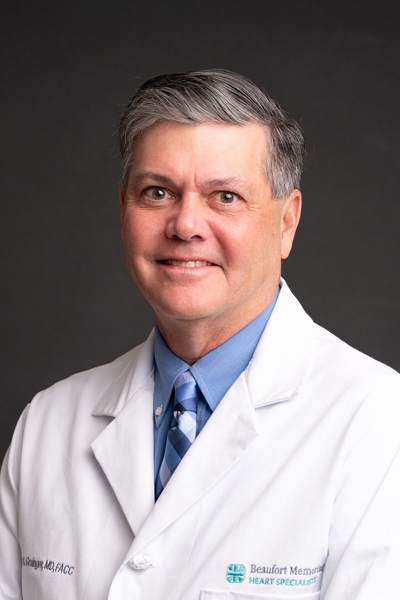
Terry Grainger, M.D., FACC
Cardiovascular Disease
Accepting new patients
Related Providers

Terry Grainger, M.D., FACC
Cardiovascular Disease
Accepting new patients
Beaufort Memorial Heart Specialists
300 Midtown Drive
•
Beaufort,
SC
29906