Your Complete Colonoscopy Guide: Diet, Prep and Successful Screenings
November 25, 2026Categories: Colonoscopy, Gut Health
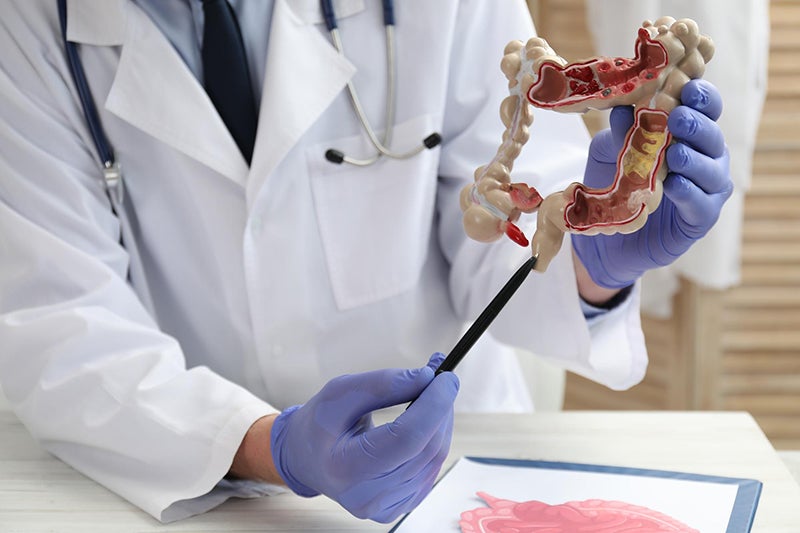
If you’re 45 or older, it’s time to start thinking about colorectal cancer screening.
For most adults at average risk, a colonoscopy remains the gold standard for colorectal cancer prevention because it allows your gastroenterologist to locate and remove potentially precancerous polyps before they become cancerous.
Colonoscopies also can identify colon cancer before any symptoms develop. This early detection is when treatment is often most effective.
Many people dread the preparation for their colonoscopy just as much – if not more – than they do the procedure itself. Here’s your step-by-step guide to preparing for a successful screening, including dietary changes, hydration tips and ways to make the prep drink a little easier to stomach.
Why Does Colonoscopy Prep Matter?
A colonoscopy gives your provider a clear view of the inside of your colon and rectum. During this procedure, suspicious growths called “polyps” can be removed and tested.
Proper preparation is essential, says Dr. Patrick Lazarczyk, a gastroenterologist who sees patients at Beaufort Memorial Lowcountry Medical Group Specialty Care.
“While no one enjoys the preparation involved with a colonoscopy, it’s important to keep in mind that bowel prep is an extremely important part of the entire process,” Dr. Lazarczyk says. “Properly following the steps helps ensure the most accurate examination of the colon possible.”
A successful prep can also help prevent the need to repeat the procedure.
When Should You Start Preparing?
Colonoscopy prep begins several days before the procedure.
Most gastroenterologists recommend transitioning to a low-fiber diet five to seven days before your colonoscopy. Some patients, especially those prone to constipation, may benefit from beginning preparations even earlier, if recommended by their provider.
Read More: Are Colon Polyps Always a Sign of Colorectal Cancer?
What to Eat Before a Colonoscopy
Follow a low fiber diet; several days before your procedure, begin avoiding foods that are difficult to digest and may remain in the colon.
Foods to Avoid
- Nuts and seeds
- Corn
- Beans
- Whole-grain breads and cereals
- Brown rice
- Raw vegetables
- Fruit skins
- Broccoli
- Cauliflower
- Brussels sprouts or cabbage
- Other high-fiber foods
Foods You Can Eat
- Tender meats and seafood
- Ground meats
- Eggs
- Tofu
- Skinless potatoes
- White bread
- Refined pasta
- White rice
- Crackers made from refined flour
- Limited dairy products
Remember: these restrictions are temporary but critical for ensuring the bowel is as clean as possible before your procedure.
The Day Before Your Colonoscopy
You’ll stop eating solid foods and consume only clear liquids 24 hours before your procedure. A good rule of thumb is that if you can see through it, it’s usually allowed.
Consult with your healthcare provider if you’re not sure what is allowed and what you should pass up before your screening.
Liquids You May Have
- Water
- Clear broth
- Black coffee
- Plain tea
- Flavored waters without carbonation
- White grape juice
Avoid
- Milk and cream
- Solid foods
- Drinks with red, purple or orange dyes
Read More: Colon Cancer Symptoms How to Recognize a Potential Problem
How to Make Your Colonoscopy Prep Drink Easier
The bowel-cleansing solution is often the most dreaded part of the process, but fortunately, there are several ways to make it more tolerable.
- Drink it cold. Many patients find the chilled prep solution easier to drink.
- Mix it with approved clear beverages. Ask your provider if you can mix your prep with flavored water, sports drinks (that do not contain red, purple or orange dyes) or white grape juice.
- Don’t chug it. Breaking the solution into smaller servings can make it easier to finish and may help reduce nausea.
- Ask about split-dose prep. Many patients prefer a split-dose regimen – drinking part of the solution the evening before and the remainder several hours before the procedure. Discuss this option with your gastroenterologist.
Stay Hydrated
Hydration is one of the most important parts of colonoscopy preparation.
“It’s important to be well-hydrated for several days prior to the bowel cleanse portion of your colonoscopy prep,” Dr. Lazarczyk says. “Dehydration can lead to acute low sodium levels, which can be dangerous for your health.”
Sports drinks can help replenish electrolytes lost during the process.
Managing Common Prep Side Effects
Anal Irritation
Frequent bowel movements can cause discomfort around the anal area. To help prevent irritation:
- Apply petroleum jelly or a protective balm after each bowel movement
- Use soft toilet paper or fragrance-free wipes when appropriate
Nausea
If the prep drink makes you feel nauseous:
- Drink it slowly
- Serve it cold
- Take brief breaks between servings
- Ask your provider whether alternative prep options are available
What Should You Expect on the Day of Your Colonoscopy?
By the day of your procedure, your stool should be clear or yellow liquid, which indicates that the bowel prep has been effective. Follow your provider’s instructions regarding:
- When to stop drinking liquids
- Which medications to take or hold
- When to arrive for your appointment
Because sedation is commonly used during colonoscopy procedures, you will also need someone to drive you home afterward.
Read More: Early Signs of Colorectal Cancer: What Adults Under 50 Should Know
Preparation is Key – Even When It’s Uncomfortable
Preparation may be the most challenging part of a colonoscopy, but it’s also one of the most important.
Following your dietary instructions, staying hydrated and completing your bowel prep exactly as directed gives your provider the best opportunity to detect and remove potentially precancerous polyps before they become a problem.
If you’re 45 or older and have not had a screening for colorectal cancer, talk with your primary care provider about whether it’s time to schedule your colonoscopy. A few days of prep could make a lifelong difference.
Don’t have a primary care provider? Find one accepting new patients.
Featured Medical Expert
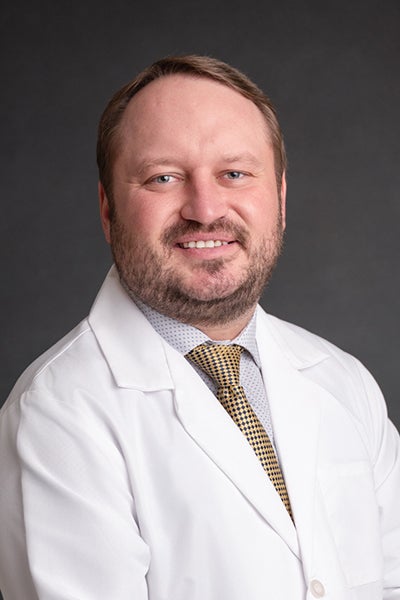
Patrick Lazarczyk, D.O.
Internal Medicine +1 more
Accepting new patients
Offers virtual visits
Related Providers

Patrick Lazarczyk, D.O.
Internal Medicine +1 more
Accepting new patients
Offers virtual visits
Beaufort Memorial Lowcountry Medical Group Specialty Care
300 Midtown Drive
•
Beaufort,
SC
29906