
How to Prevent Bug Bites and Stings Year-Round in the Lowcountry
October 21, 2026Categories: Urgent Care, Primary Care
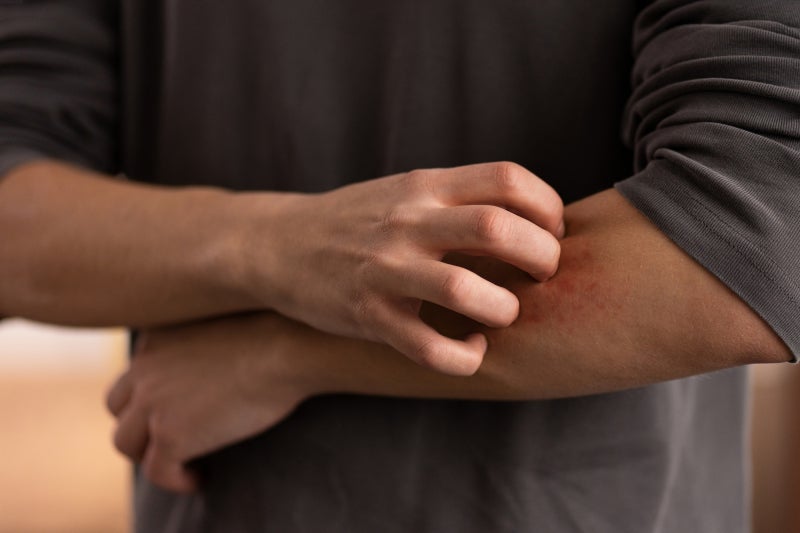
We’ve all felt them – a mosquito bite during an evening walk, a tick tangled in our hair after a day on the trail, or a painful fire ant sting while doing weekend yardwork.
In the Lowcountry, biting and stinging insects are a year-round reality.
Most insect bites and stings can be prevented with simple precautions. Using insect repellent, wearing protective clothing and checking for ticks after spending time outdoors can significantly reduce your risk of discomfort, allergic reactions and insect-borne illnesses.
“While many bites can be treated at home, some do require prompt medical attention,” says Tammy Page, DNP, FNP-C, a board-certified family nurse practitioner who sees patients at Beaufort Memorial Express Care. “Whether you’re hiking, gardening, golfing, boating or simply enjoying or working in your backyard, it’s key to know how to protect yourself from bites and stings throughout the year.”
How Can You Prevent Insect Bites and Stings?
The best ways to prevent bug bites and stings include:
- Use an EPA-registered insect repellent.
- Wear long sleeves, long pants and closed-toe shoes.
- Avoid standing water (where mosquitoes breed).
- Check yourself and your pets closely for ticks after outdoor activities.
- Keep grass and landscaping trimmed.
- Be cautious around fire ant mounds, bee hives and wasp nests.
- Seek medical care if a bite or sting causes severe swelling, difficulty breathing, fever or any signs of infection.
What Insects Commonly Bite or Sting in the Lowcountry?
The better question is, what insects don’t?
Here are some of the top culprits for bites and stings in this region:
- Mosquitoes, which are active much of the year in South Carolina and can transmit diseases like West Nile Virus. Most mosquito bites cause itching and swelling, but some people can experience larger allergic reactions.
- Ticks, which are commonly found in wooded areas, tall grass and brush. They can transmit illnesses like Lyme disease, Rocky Mountain spotted fever, ehrlichiosis and southern tick-associated rash illness (STARI).
- Fire ants, whose stings can cause burning pain, swelling and itchy bumps. Some individuals experience severe allergic reactions that require immediate medical attention.
- Bees, wasps and hornets, whose stings are painful but usually harmless. Some, however, can trigger anaphylaxis, a life-threatening allergic reaction.
- Chiggers, or tiny mites common in grassy areas, which can leave intensely itchy bites that can last for days.
Read More: Let's Talk Ticks
Best Ways to Protect Yourself From Insect Bites
Apply Insect Repellent Correctly
Choose an EPA-registered insect repellent containing:
- DEET
- Picaridin
- IR3535
- Oil of lemon eucalyptus
“Apply repellent according to label directions,” Page says, “and reapply as needed during prolonged outdoor activities.”
Cover Exposed Skin
Page adds that physical barriers remain one of the most effective forms of protection.
Consider wearing:
- Long sleeves
- Long pants
- Closed-toe shoes
- Socks pulled over pant legs when walking through wooded areas
- Protective clothing for gardening and yard work
Avoid Peak Mosquito Conditions
Mosquitoes are most active around:
- Dawn
- Dusk
- Humid conditions following rain
Whenever possible, limit prolonged exposure during these times.
Check for Ticks After Outdoor Activities
After spending time outdoors:
- Check your entire body for ticks.
- Inspect children thoroughly.
- Examine pets.
- Shower promptly.
- Wash all clothing items before wearing them again.
Early tick removal can help reduce the risk of disease transmission.
Reduce Insects Around Your Home
To help prevent insect bites on around your property:
- Empty standing water from buckets, birdbaths and other containers.
- Keep your grass mowed.
- Remove brush piles and yard debris.
- Address any fire ant mounds promptly.
- Maintain outdoor gathering spaces.
Read More: First-Aid Care for Cuts
What is The Best Treatment for a Bug Bite or Sting?
Most bites and stings improve with simple at-home treatment.
- Reduce swelling — Use a cool compress or apply an ice pack wrapped in a towel.
- Relieve itching — Over the counter solutions like hydrocortisone cream, calamine lotion and oral antihistamines can help keep itching at bay. Avoid scratching! This can increase your risk of infection.
- Manage pain — Pain medications like acetaminophen or ibuprofen can help with any soreness.
When Should You See a Healthcare Provider for a Bug Bite?
Seek medical attention if you experience:
- Increasing redness
- Spreading swelling
- Fever
- Rash
- Joint pain
- Drainage from the bite
- Symptoms that last longer than expected
These symptoms may be signs of infection or an insect-borne illness that requires treatment.
When is a Bug Bite an Emergency?
Call 911 or seek emergency care immediately if you develop:
- Difficulty breathing
- Wheezing
- Swelling of the lips or tongue
- Swelling of the throat
- Severe dizziness
- Fainting
These symptoms may indicate anaphylaxis, a potentially life-threatening allergic reaction.
Read More: ER vs. Express Care: Where Do I Go?
Fast Treatment for Bites and Stings
If a bite or sting becomes painful, infected or concerning, Beaufort Memorial Express Care locations in Port Royal, Okatie and Bluffton offer convenient same-day and walk-in care for non-life-threatening conditions.
Express Care providers can evaluate bites, skin reactions, infections and other common concerns to help you recover quickly.
Need care for a bite, sting or skin reaction? Find the nearest Beaufort Memorial Express Care location.
Featured Medical Expert
Related Providers


Tammy Page, DNP, FNP-C
Nurse Practitioner
Beaufort Memorial Express Care and Occupational Health - Okatie
122 Okatie Center Blvd. North
Suite 100
•
Okatie,
SC
29909