
Let’s Talk Ticks: What to Know About Lyme Disease and Ticks in the Lowcountry
July 13, 2026Categories: Wellness
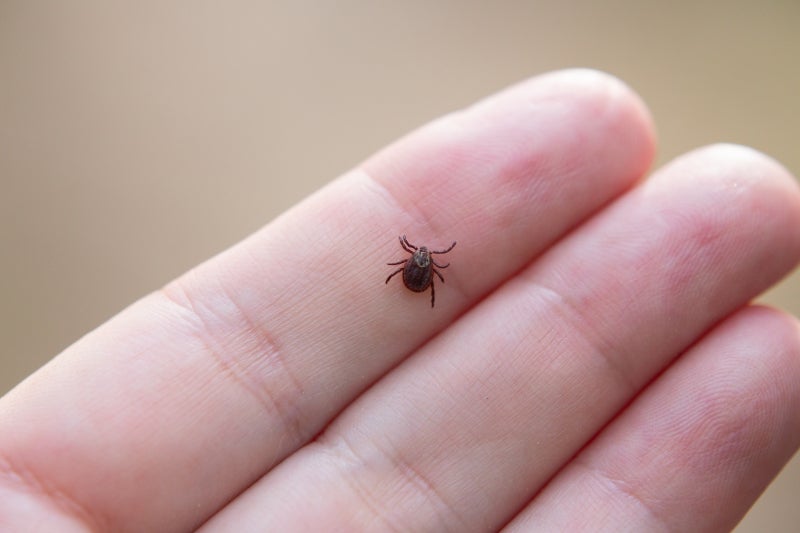
Every spring, ticks emerge as the talk of the town – and for good reason. As rising temperatures mean more time outdoors (more time on the golf course!), they also can mean an increase in the presence of ticks.
Ticks love warm, humid weather – something that the Lowcountry has in spades. As summer rolls around and outdoor activities continue to boom, the risk for tick-borne illnesses – the most commonly known being Lyme disease – grows.
Lyme disease is a bacterial infection generally spread through the bites of deer ticks and is the most common tick-based illness found in the nation.
While the numbers of deer ticks are lower in the Lowcountry than they are in other areas of the state, Beaufort County residents can still develop the disease while spending time outdoors – especially due to a longer overall warm season, making for ideal conditions for the tiny arachnids.
What are the biggest risks when it comes to tick bites, and how can you reduce those risks?
Lyme Disease Symptoms to Look For
Not every tick bite will result in Lyme disease. In fact, most don’t – but it’s important to be aware of early symptoms of the disease, which typically appear anywhere from three days to three weeks after the initial bite.
Early Symptoms of Lyme Disease
- Fever and chills
- Headache
- Fatigue
- Muscle and joint aches
- Swollen lymph nodes
- A “bull’s-eye” rash, which occurs in around 70-80% of Lyme disease cases
Later Symptoms (if left untreated)
- Severe headaches
- Neck stiffness
- Facial paralysis or drooping on one or both sides of the face
- Irregular heartbeat
- Nerve pain or tingling in hands or feet
“Early detection of the disease is important,” said Dr. Michael Kaup, who sees patients at Beaufort Memorial Express Care and Occupational Health in Port Royal, Bluffton and Okatie. “Lyme disease is generally treatable with antibiotics, but delaying treatment can lead to more serious complications.”
Read more: Preventing Bug Bites and Stings Year-Round
Know Your Tick Risk – and Lower It
Ticks wait in vegetation and latch onto passersby that become their hosts.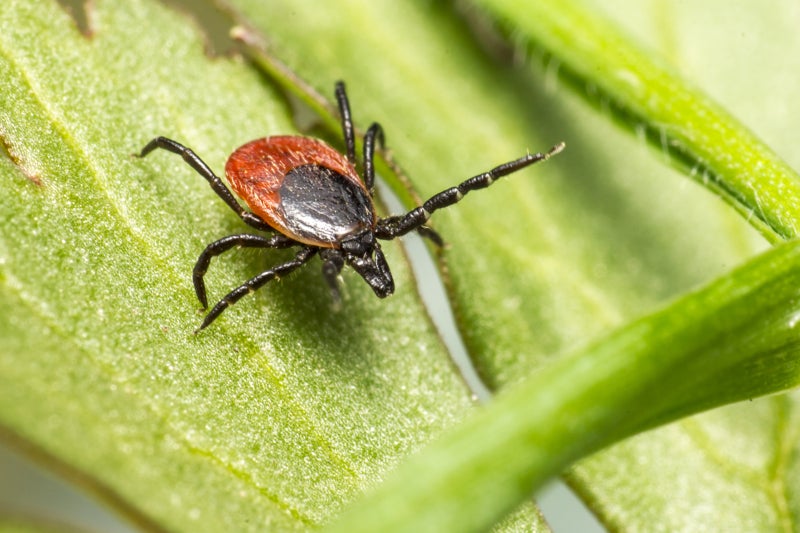
You’re most likely to encounter a tick in:
- Tall grass or brush
- Forested or wooded areas
- Yard edges near trees or shrubs
- Leaf litter or marsh edges
While ticks can be found throughout this Lowcountry environment, there are simple precautions that can reduce the risk of tick bites and Lyme disease.
Before Going Outdoors
- Use EPA-registered insect repellents like DEET or picaridin
- Wear long sleeves and tuck long pant legs into socks
- Treat clothing with permethrin spray
- Avoid tall grass and brush; when hiking, stay in the center of the trail
After Coming Indoors
- Check your entire body for ticks, paying particular attention to warm areas like armpits, behind your knee and your scalp
- Shower within two hours of being outside
- Put clothes in the dryer on a high-heat setting to kill ticks
- Closely inspect pets and any backpacks or gear
Read more: Summer Holiday Safety
Found a Tick? Now What?
If you discover a tick attached to your skin:
- Use fine-tipped tweezers to carefully grasp the tick as close to your skin as possible
- Pull upward steadily without twisting or squeezing the tick
- Clean the area with soap and water or rubbing alcohol
“Removing a tick within 24 hours significantly reduces your risk of contracting Lyme disease,” Dr. Kaup said. “Monitor your bite for several weeks, and consult a healthcare provider if you develop a rash or any flu-like symptoms.”
Looking for a primary care provider? Find a provider accepting new patients.
Featured Medical Expert

Michael R. Kaup, M.D.
Emergency Medicine
Offers virtual visits
Related Providers

Michael R. Kaup, M.D.
Emergency Medicine
Offers virtual visits
Beaufort Memorial Express Care and Occupational Health - Bluffton
1 Burnt Church Road
Suite A
•
Bluffton,
SC
29910