
Heart Attack Recovery Starts With Cardiac Rehabilitation
June 2, 2026Categories: Heart Health - Heart Attack

Compared to the 1950s, Americans today are more than four times as likely to survive a heart attack, according to the American Heart Association. This means that for people of the same age, the annual risk of dying from cardiovascular disease is now just one-quarter what it was in 1950.
When new treatment options give you a second chance at life, heart attack recovery helps you make the most of the future. Cardiac rehabilitation can help you live a full, normal life on the other side of a heart attack.
“People have much better opportunities to manage heart attacks and prevent future events than in years past,” says Dr. Stuart Smalheiser, a board-certified interventional cardiologist at Beaufort Memorial Heart Specialists. “As a result, they’re surviving their life-changing events and moving forward. Cardiac rehab then helps them make the most of life after a heart attack.”
Read More: Symptoms of Heart Disease You May Be Mistaking for Something Else
How Cardiac Rehab Helps With Heart Attack Recovery
A heart attack occurs when blood flow to the heart is cut off. Without enough oxygen-rich blood, your heart muscle begins to suffer injury. The longer your heart goes without this blood, the more damage it sustains.
Proper treatment restores blood flow to the heart. Once the immediate threat to your heart is stopped, it’s time to begin recovery.
To recover from a heart attack, you may need to do one or more of the following:
- Adopt healthy eating habits
- Lower your stress levels
- Obtain a healthy weight
- Strengthen your heart
Cardiac rehab helps you do all this and more.
“Through cardiac rehab, you learn to understand what a heart-healthy lifestyle is and regain the confidence to go move forward with life,” Dr. Smalheiser says. “Rehab basically jumpstarts your recovery process. It points you toward improved health and gets you moving in that direction.”
Read More: 10 Healthy Habits to Start Right Now
What Takes Place During Cardiac Rehabilitation
Cardiac rehabilitation is a medically supervised program that helps you recover from a heart attack. When you join a cardiac rehabilitation program, your care team first evaluates your needs. They then develop a treatment plan to address your needs and reach your goals.
To help you move toward good health as soon as possible, rehab begins while you’re still in the hospital. Rehab then continues in the weeks following discharge.
Throughout your rehab experience, your expert team works to help you return to work and life and prevent future heart problems through the following:
- Counseling — It’s normal to feel depressed, angry or afraid after a heart attack. Your care team can help you manage these feelings and refer you to an adult mental health specialist, if appropriate. They can also protect your heart by helping you identify sources of stress and learn healthy ways to reduce or manage it.
- Education — Knowledge is power and plays a key role in heart attack recovery. In rehabilitation, you learn skills for preventing another heart attack and improving your overall health.
- Exercise — Physical therapists and other exercise pros guide you through specific physical activities. These aim to help strengthen your entire body, especially your heart.
After completing your official heart attack recovery program, you can continue your rehabilitation journey at the Beaufort Memorial LifeFit Wellness Center. By becoming a member, you can continue exercising in a safe environment where medical expertise is readily available.
Your Role in Heart Attack Recovery
“It can take a few weeks or months to develop a new baseline of activity,” Dr. Smalheiser says. “Your healthcare team can help you determine when it’s safe to go back to work, resume sexual activity and restart other activities. There are many people who complete cardiac rehab that can do more after their heart attack then before.”
In the meantime, don’t limit your recovery efforts to rehabilitation sessions. Take control of your good health every day with these tips.
- Communicate with your care team — Following a heart attack, your heart and vascular care team will want to see you. It’s important that you schedule and attend follow-up appointments with your team. When speaking to them, be open and honest. Whether you’ve struggled to make lifestyle changes or experienced side effects of medication, talk about it. This information helps your team tweak your care plan and provide encouragement to help you continue forward in your recovery.
- Follow directions closely — Your heart attack recovery is unique. Based on your needs, your healthcare provider may prescribe cardiac rehabilitation, lifestyle changes, medication or all three. Listen carefully to their recommendations and follow their instructions closely. Doing this helps reduce your risk for chest pain, heart attacks and other heart issues in the future.
- Manage your risk — Major risk factors for heart disease include high blood pressure, high cholesterol and smoking. Work with your healthcare provider to lower your blood pressure and cholesterol, stop smoking and manage other risk factors.
“When working toward heart attack recovery, you are your greatest advocate,” Dr. Smalheiser says. “Speak up when something seems off and commit to making the suggested lifestyle changes. When you slip up, own up to your mistakes and start your healthy habits again. Do this day after day, year after year, and you give yourself the best shot at a full recovery that lasts a lifetime.”
Read More: Panic Attack vs. Heart Attack: Symptoms Don’t Tell the Whole Story
Heart Attack Recovery in Summary
Thanks to advances in diagnostic technology and treatment options, more people are surviving heart attacks than ever before. Through cardiac rehabilitation and taking control of your health, you can maximize your heart attack recovery for the best possible quality of life.
- When a heart attack damages your heart muscle, cardiac rehab helps you recover as much strength as possible. Rehab specialists also help you adopt healthy eating habits, obtain a healthy weight and make other changes that lead to better heart health.
- During cardiac rehab, you get customized education and exercise in a medically supervised environment. Your team can also help address mental health issues, such as depression, which are common after a heart event.
- You can speed up your recovery and make the most of your rehabilitation efforts by taking control of your health and practicing good heart health all day, every day.
If you are recovering from a cardiac event, call 843-522-5635 to discuss creating a personalized heart health plan that works for you.
Featured Medical Expert
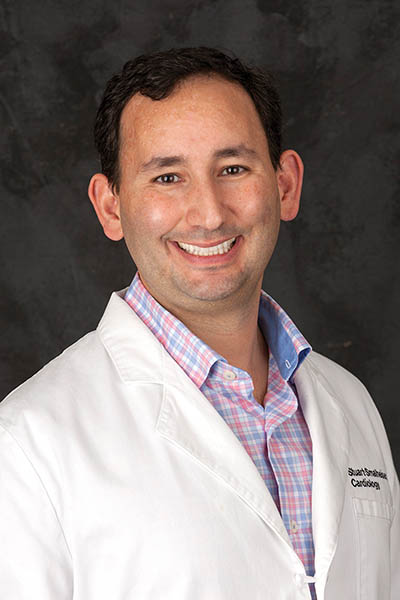
Stuart Smalheiser, M.D.
Cardiovascular Medicine +3 more
Accepting new patients
Related Providers

Stuart Smalheiser, M.D.
Cardiovascular Medicine +3 more
Accepting new patients
Beaufort Memorial Heart Specialists
300 Midtown Drive
•
Beaufort,
SC
29906