
Healthy Vacation Tips: How to Stay Well While Traveling This Summer
June 26, 2026Categories: Wellness
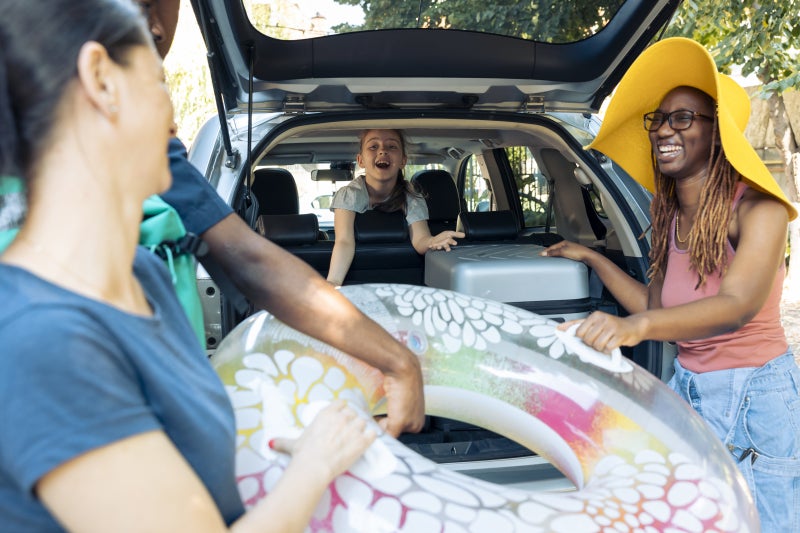
Summer travel season is here, and whether you’re planning a beach getaway, cruise, resort stay, road trip or international adventure, maintaining your health while traveling can help you and your family enjoy vacation to the fullest.
While vacations are designed for R&R, travel can disrupt your normal routines, affecting your stress levels, sleep habits, hydration and nutrition. By planning ahead, travelers can reduce health risks and enjoy a more comfortable vacation experience. A few simple wellness strategies can help you stay energized, healthy and ready to make the most of your trip – whatever your destination.
How to Reduce Travel Stress
Travel can bring changes to your daily schedule, eating habits and sleep patterns. Long flights, unfamiliar environments, jam-packed itineraries, indulgent meals (and drinks) can all take a toll on your physical and mental well-being.
Travel stress can begin long before departure. Flight delays, crowded airports, last-minute travel adjustments and unfamiliar destinations can all contribute to increased anxiety and elevated blood pressure.
“Traveling and changes to our regular routines can cause us to feel stressed, which can impact our physical health – especially for individuals with cardiovascular conditions,” said Tara Kay, MMS, PA-C, who sees patients with Beaufort Memorial Heart Specialists.
Managing Stress While Traveling
- Pack any medications and medical information you may need before your trip.
- Allow extra time in your schedule for airport arrivals and connections.
- Create a flexible itinerary, rather than a rigid, overscheduled plan.
- Take short breaks when you’re feeling overwhelmed.
- Practice deep breathing exercises throughout the day.
“Deep breathing techniques are a great way to lower stress levels in the moment,” Kay said. “If you’re traveling and feeling overwhelmed, take a moment to recharge.”
These deep breathing exercises can help slow your heart rate, reduce stress hormones and support healthy blood pressure levels.
Read More: Holiday Travel Tips for the Whole Family
Eating Healthy on Vacation
One of the biggest challenges during vacation is maintaining healthy eating habits. Restaurants, buffets and vacation treats can quickly lead to overeating and sneaky excess calories.
While it’s important to enjoy local foods and experiences, partaking in moderation can help prevent any digestive discomfort and sluggish energy levels.
How to Make Healthy Choices on Vacation
- Plan some meals ahead of time.
- Balance heavier, more indulgent meals with lighter options.
- Include fruits, vegetables and lean proteins whenever possible.
- Avoid eating out at restaurants for every meal.
- Consider preparing meals while on your trip, especially if you’re staying in a rental property or vacation home.
Preparing occasional meals not only supports healthier choices – but can reduce travel expenses, too.
Read More: Keep Your Health in Mind While Dining Out
Why Hydration Matters While Traveling
Dehydration is one of the most common travel-related health concerns; many travelers underestimate how much fluid they lose while spending time outdoors, navigating airports or consuming alcohol.
Signs of Dehydration
Be on the lookout for these common dehydration symptoms:
- Thirst or dry mouth
- Headache
- Muscle cramps
- Fatigue
- Dizziness
Also, keep in mind that certain vacation activities can increase your risk of dehydration, including:
- Spending long hours in the sun
- Beach and pool activities
- Alcohol consumption
- Air travel
How to Stay Hydrated While Traveling
Airplane cabins generally have lower humidity levels, which can contribute to dehydration. Some travelers also drink less water on their flight to minimize frequent bathroom breaks.
To stay hydrated:
- Carry a reusable water bottle.
- Drink water consistently throughout the day.
- Pack hydrating snacks such as watermelon, oranges, cucumbers and other fresh fruits and vegetables.
- Take advantage of in-flight beverage service.
- Increase water intake whenever consuming alcohol or spending time outdoors.
How to Sleep Better While Traveling
Sleep disruptions are common on vacation. Changes in time zone, unfamiliar and potentially uncomfortable sleeping environments, travel stress and dietary changes can all affect sleep quality.
Common Causes of Poor Sleep During Travel
- Jet lag
- Changes in routine
- Uncomfortable sleeping arrangements
- Increased alcohol consumption
- Travel-related stress or anxiety
Tips to Prevent Jet Lag
If you’re traveling across time zones, start adjusting your sleep schedule several days before your departure.
Gradually shift your bedtime closer to your destination’s time zone for two to three nights before travel. This adjustment can help your body adapt more quickly after arriving.
Can Melatonin Help with Jet Lag?
Melatonin, a hormone produced by your body to regulate sleep, can be used sparingly as a useful tool in giving your body the bedtime nudge it needs. If your schedule is haywire, taking this over-the-counter sleep aid can help your body produce natural melatonin and prepare your body for rest.
Use it carefully, though, warned Dr. Joseph DiMaria, a family medicine physician who sees patients at Beaufort Memorial Lowcountry Medical Group Primary Care.
“For adults, the usual recommended dosage is 0.5mg to 3mg, taken about one to two hours before bedtime,” he said. “But it can make you feel groggy the next morning, which isn’t ideal for vacation – effects vary by individual, but for some people, it can provide a little push when taken at the appropriate time to help you overcome jet lag.”
If you have existing medical conditions, take prescription medications or have concerns about sleep aids, consult your healthcare provider before using.
Read More: Sleep and Your Blood Pressure: An Intricate Relationship
Stay Healthy, Travel Safe
A healthy vacation doesn’t require perfection. Small, intentional choices can make a big difference in how you feel on your trip.
This summer, remember to:
- Manage travel stress through relaxation techniques
- Stay hydrated before, during and after travel
- Practice moderation with food and alcohol
- Prioritize quality sleep and prepare your body for time zone changes
- Bring necessary medications and health information.
With a little balance and planning, you can enjoy all the benefits of a well-deserved getaway while supporting your long-term health.
Need to make an appointment with a primary care provider before you go? Find one that is accepting new patients.
Featured Medical Expert

Joseph M. DiMaria, M.D., MBA, MS-HIT, PharmD
Family Medicine +1 more
Accepting new patients
Offers virtual visits

Tara Kay, MMS, PA-C
Physician Assistant +1 more
Accepting new patients
Related Providers

Tara Kay, MMS, PA-C
Physician Assistant +1 more
Accepting new patients
Beaufort Memorial Heart Specialists
300 Midtown Drive
•
Beaufort,
SC
29906
Joseph M. DiMaria, M.D., MBA, MS-HIT, PharmD
Family Medicine +1 more
Accepting new patients
Offers virtual visits
Beaufort Memorial Lowcountry Medical Group Primary Care
300 Midtown Drive
•
Beaufort,
SC
29906