
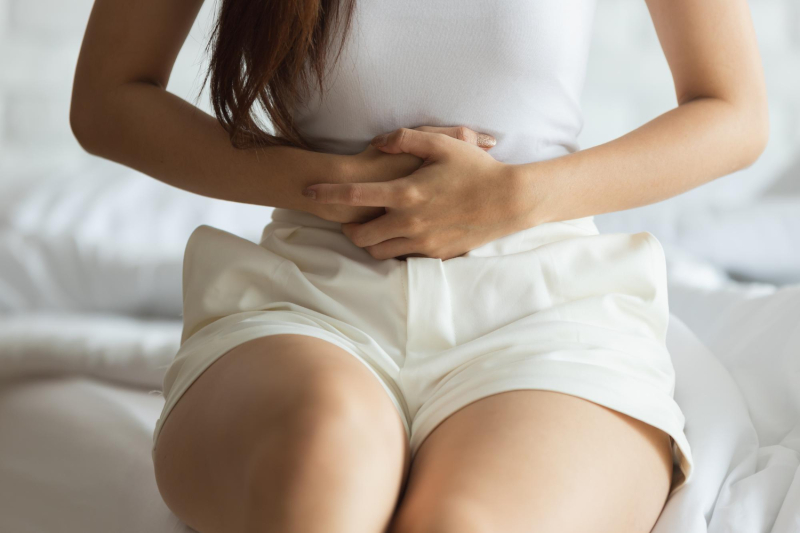
Endometriosis is far more common than many realize, with an estimated 1 in 10 women of childbearing age – over 176 million worldwide – living with the condition.
Growing awareness, improved diagnostic tools and modern treatment options are helping more patients find relief for their endometriosis and take control of their health.
Dr. Tempest Allen, a board-certified OBGYN with Beaufort Memorial Obstetrics & Gynecology Specialists, answers some of the more frequently asked questions about endometriosis.
Could My Painful Periods Be Endometriosis?
Painful menstrual cycles are one of the most common signs of endometriosis. This condition occurs when tissue from the uterine lining develops outside of the uterus in other areas of the pelvis. These lesions can cause inflammation, pain and scar tissue on surrounding organs.
Other potential symptoms of endometriosis include:
- Pain during intercourse
- Pain with bowel movements or urination
- Excessive or heavy menstrual bleeding
- Challenges with fertility
If you've been experiencing consistent discomfort, it’s worthwhile to talk to your healthcare provider about whether endometriosis may be the cause.
What Causes Endometriosis and How Is It Diagnosed?
While the exact cause of endometriosis remains uncertain, research suggests a possible genetic link.
Currently, the most accurate way to confirm a diagnosis is through laparoscopic surgery, a minimally invasive procedure that allows the surgeon to look for signs of endometrial tissue. Advances in imaging and diagnostic tools are also helping clinicians identify symptoms earlier and more accurately than ever before.
Does Endometriosis Lead to Infertility?
There is a documented connection between endometriosis and infertility; between 30% and 50% of women with endometriosis may experience difficulty becoming pregnant.
However, many individuals with endometriosis do successfully conceive, especially with early diagnosis and personalized treatment plans.
If fertility is a concern, an OBGYN can help you understand your options and map out a proactive approach tailored to your goals.
What Treatment Options are Available?
The good news: endometriosis is manageable, and many patients find significant relief through a combination of medical treatments and, in some cases, surgery.
Common treatments for endometriosis include:
- Medication for pain relief — Nonsteroidal anti-inflammatory drugs (NSAIDs) are often the first step in easing menstrual cramps and pelvic pain.
- Hormone therapy — Birth control pills, patches and vaginal rings may slow the growth of endometrial tissue and reduce symptoms.
- Laparoscopic surgery — If hormone therapy is inffective - or if you are trying to become pregnant - laparoscopy can be used to remove endometrial tissue. While regrowth may occur, many patients experience relief in painful symptoms.
- Estrogen-reducing therapies — After surgery, your physician may recommend Lupron Depot, an injection that temporarily stops estrogen production in a treatment that typically lasts for up to six months, or Orilissa, an FDA-approved oral medication that reduces estrogen levels and can be taken for up to two years. Some patients may experience menopausal-like symptoms such as hot flashes or mood changes.
Your care team can help you weigh the benefits and potential side effects to choose the best option for you.
Is There a Cure for Endometriosis?
While there is currently no permanent cure for the condition, many individuals manage their symptoms effectively and lead full, active lives. Symptoms often improve after menopause, and for some patients, a hysterectomy before menopause may reduce or eliminate symptoms.
Take Charge of Your Health
If you are experiencing chronic pelvic pain, heavy menstrual cycles or any symptoms similar to those that accompany endometriosis, know that effective support and treatment are available. Early diagnosis and open communication with your healthcare provider can make a significant difference.
Don’t wait to feel better. Schedule an appointment with an OBGYN today and take the first step toward understanding and managing your symptoms.
Featured Medical Expert
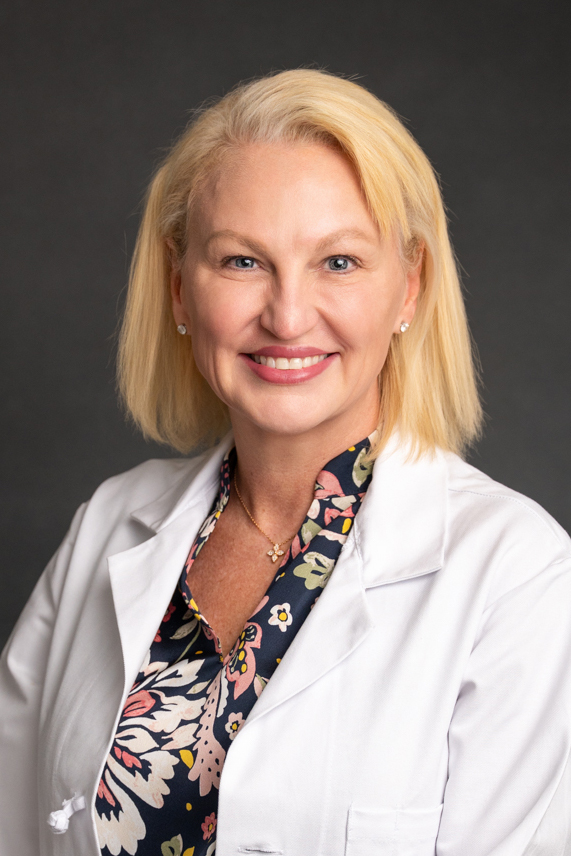
Tempest Allen, M.D., FACOG
Obstetrics & Gynecology
Offers virtual visits
Related Providers

Tempest Allen, M.D., FACOG
Obstetrics & Gynecology
Offers virtual visits
Beaufort Memorial Obstetrics and Gynecology Specialists
989 Ribaut Road
Suite 210, Beaufort Medical Plaza
•
Beaufort,
SC
29902