Coronary Artery Disease Symptoms and What They Mean for Your Heart
April 14, 2026Categories: Heart Health - Coronary Artery Disease

The data is in, and heart disease continues to remain the top cause of death in America, according to the American Heart Association.
While you can’t always prevent disease, you can increase your odds of early detection by recognizing coronary artery disease (CAD) symptoms and understanding what they mean for your heart.
“There are often warning signs that patients need to be aware of, and noticing them may save their lives,” says Dr. Stuart Smalheiser, board-certified, fellowship-trained cardiologist at Beaufort Memorial Heart Specialists in Beaufort. “Ignoring them can be very dangerous.”
What is Coronary Artery Disease (CAD)?
Plaque is made of substances including cholesterol, fat and material that causes blood to clot. When this sticks to the artery walls that supply blood to the heart, blood flow to your heart decreases, making it harder for your heart to pump blood to the rest of your body. The result of this plaque buildup is coronary artery disease, the most common form of heart disease.
It usually takes a long time to develop, but once it settles in, CAD can cause all sorts of heart diseases, such as:
Your risk of coronary artery disease increases if you smoke, lead a sedentary lifestyle or have a family history of heart disease. However, anyone can experience CAD, so it’s important to recognize the symptoms.
Read More: When to Visit the Hospital for Chest Pain
Chest Pain: The Most Common Symptom of Coronary Artery Disease
Your heart depends on oxygen-rich blood to function properly. Anytime there’s a shortage, you may experience chest pain.
As common as it is, chest pain comes in many different forms, including:
- Burning or constricting
- Dull discomfort
- Feeling like a heavy weight is sitting on your chest
The pain may be focused in your chest or spread to other areas. If it spreads, you may feel pain in your arms, jaw, back or abdomen. No matter where or how the pain presents, it’s a coronary artery disease symptom you should not overlook.
“Chest pain is one of the telltale symptoms of a heart attack,” Dr. Smalheiser says. “It can be dramatic like a movie, or seem like a minor nuisance, but it should always be evaluated by a professional.”
Read More: Heart Murmurs: A Serious Problem or Minor Annoyance?
Shortness of Breath May Indicate CAD
Work hard enough, and you may wind up doubled over to catch your breath. While this is a normal response to physical activity, shortness of breath is also a known symptom of coronary artery disease.
The problem occurs because your body depends on oxygen. In fact, every time your heart beats, it sends oxygen-rich blood throughout your body. When CAD blocks an artery and decreases blood flow, your body has less access to oxygen.
“Shortness of breath is your body’s way of trying to get more oxygen,” Dr. Smalheiser says. “This can be due to a variety of conditions, but sudden breathing changes may be linked to heart disease.”
CAD can cause your heart to weaken, ultimately leading to heart failure. With heart failure, the heart is too weak to do its job. If the left side is affected, blood builds up in the blood vessels connected to the lungs, further reducing your access to oxygen-rich blood, which can result in breathing problems.
Read More: What Your Irregular Heartbeat May Be Telling You
Rhythm Problems Brought on by Coronary Artery Disease
“The electrical system of the heart can also lead to problems,” Dr. Smalheiser says. “Sometimes patients don’t know when there is a change electrically, but some notice a decrease in what they can do or that their heart is beating fast, slow or irregularly.”
Known as arrhythmia, these occur when a lack of oxygen damages the heart’s electrical system. This can cause dangerous problems and come in various forms, including:
- Atrial fibrillation — Also called AFib, atrial fibrillation occurs when the upper and lower chambers of your heart don’t beat in sync. This prevents the lower chambers from filling with blood and can result in a very rapid heartbeat. It is the most common type of arrhythmia, according to the National Institutes of Health.
- Premature heartbeat —The signal for your heart to beat comes earlier than normal with this arrhythmia. Your heart then pauses for a moment before a stronger beat returns it to rhythm. The event feels like your heart skipped a beat and can be the source of other rhythm problems.
- Ventricular fibrillation — Atypical electrical signals cause your heart to quiver instead of beat. When this happens, your heart doesn’t pump blood into your body. Left untreated, this can lead to cardiac arrest and death.
When You Have Symptoms of Coronary Artery Disease
If you suspect you or someone you love is experiencing symptoms of coronary artery disease, get medical attention immediately.
“A lot of people are afraid of looking silly for seeking emergency care for what turns out to be heartburn or another minor problem,” Dr. Smalheiser says. “However, if your symptom is from a heart attack or other form of heart disease, your pride could take your life. Looking silly is a much better option.”
Based on your symptoms, family and personal medical history and other risk factors, your heart care team may prescribe one or more tests. These help determine if you have CAD or other heart issues.
Tests you may undergo include:
- Blood tests to check your cholesterol, triglycerides and other levels
- Electrocardiography to monitor heart rhythm and electrical impulses
- Imaging exams, such as magnetic resonance imaging (MRI), to view blood flow in your heart or blood vessels
- Stress testing to see how your heart responds to physical activity
Based on the results of these tests, your care team will prescribe treatment that may include lifestyle changes, medication or surgery.
“Thanks to modern medicine, many people receive comprehensive care including procedures, medication and cardiac rehabilitation to maintain a long, normal life,” Dr. Smalheiser said. “Identifying symptoms early lets us act quicker to focus on how we can make patients feel better.
Read More: Symptoms of Heart Disease You May Be Mistaking for Something Else
Three Signs Your Heart Is in Trouble
Understanding the symptoms of coronary artery disease gives you the opportunity to survive and thrive despite common heart problems.
- CAD is the result of fat, cholesterol and other substances sticking to your artery walls and reducing blood flow to your heart. It can lead to a heart attack and other dangerous and deadly problems.
- Three symptoms that may indicate CAD are chest pain, shortness of breath and abnormal heart rhythms.
- Anytime you experience a symptom of heart disease, contact your healthcare provider. Diagnosis and treatment can protect and prolong your life.
Call 843-770-4550 to schedule an appointment with a heart care specialist.
Featured Medical Expert
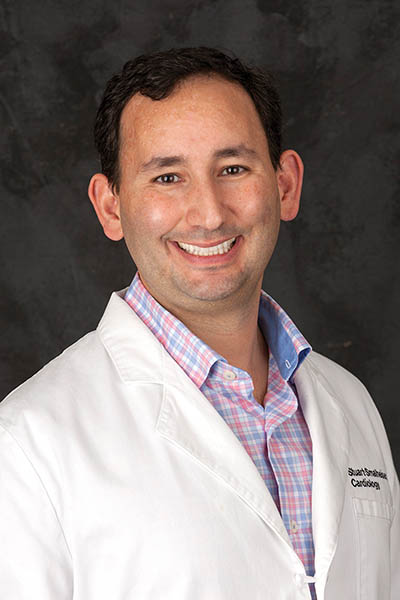
Stuart Smalheiser, M.D.
Cardiovascular Medicine +3 more
Accepting new patients
Related Providers

Stuart Smalheiser, M.D.
Cardiovascular Medicine +3 more
Accepting new patients
Beaufort Memorial Heart Specialists
300 Midtown Drive
•
Beaufort,
SC
29906