
‘Time is Muscle’: Beaufort Memorial and Community Partners Practice Coordinated Heart Attack Response
August 5, 2026Categories: News, Heart Health - Heart Attack
Minutes matter, and there are few situations that demonstrate that more clearly than during a heart attack.
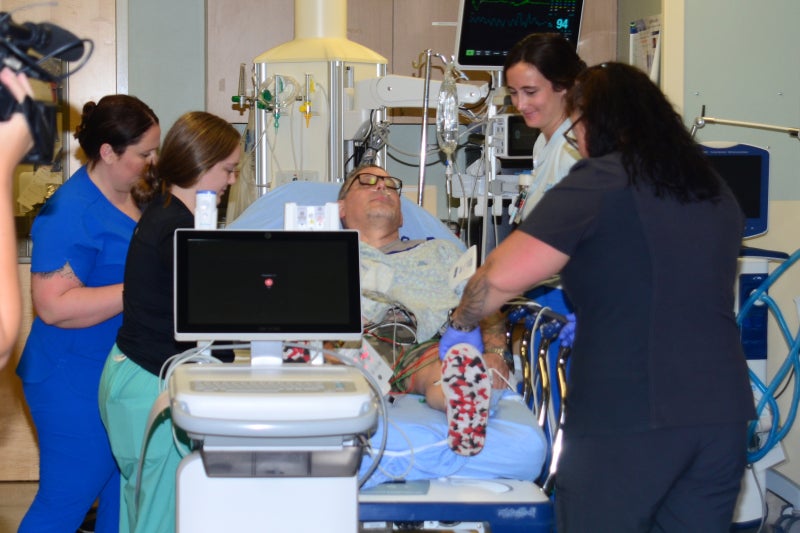
Preparedness and life-saving care are the goals when a patient experiencing a serious heart attack is transported to Beaufort Memorial Hospital for care – and that’s exactly what the hospital simulated on July 31 in partnership with Beaufort County and C.A.R.E. Flight EMS teams.
What is a STEMI?
A STEMI is a ST-elevation myocardial infarction – a very serious heart attack where a patient experiences a complete blockage in one of their coronary arteries.
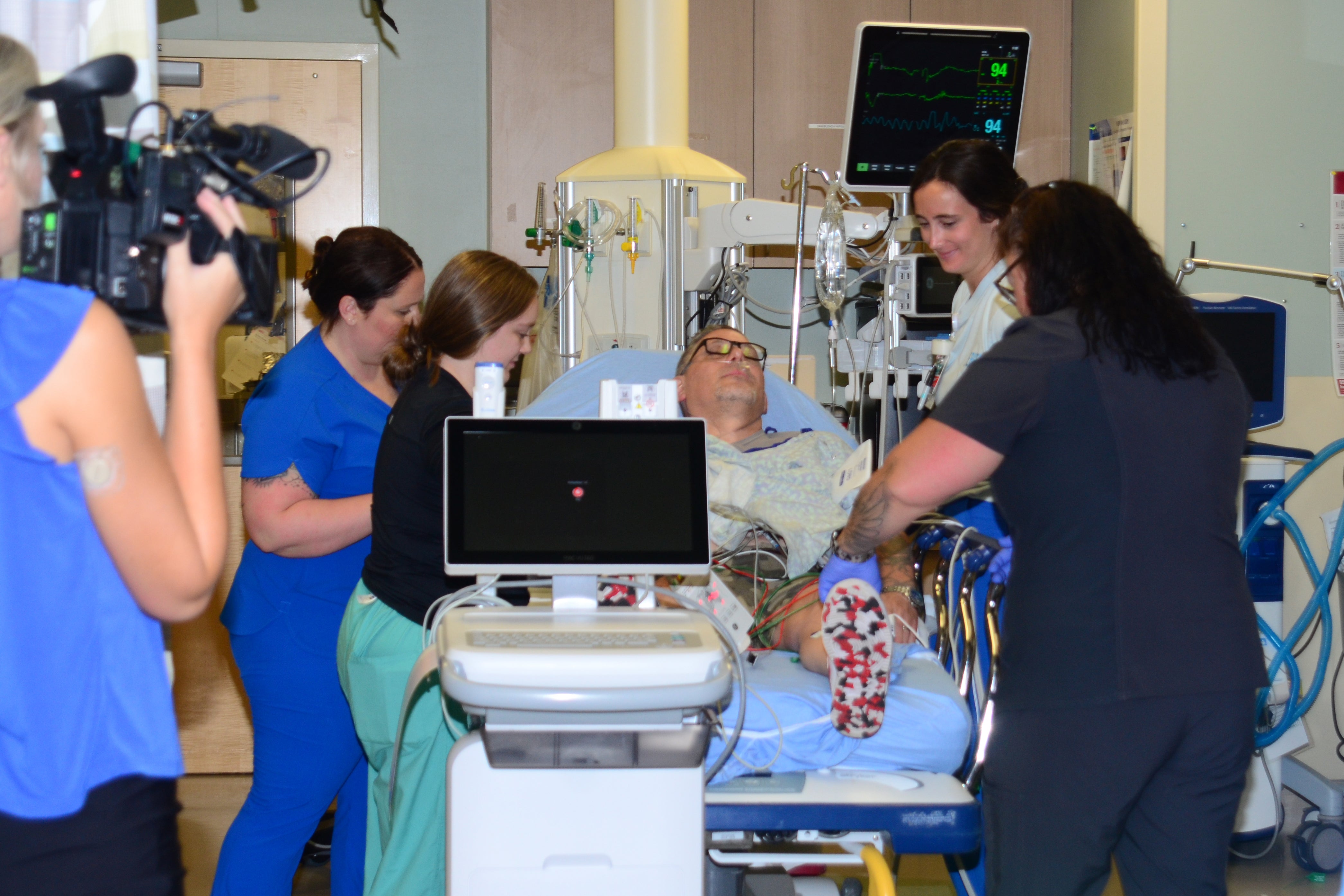 “Time is muscle,” said Beaufort Memorial interventional cardiologist Dr. Stuart Smalheiser. “If an artery is completely blocked, that often leads to a lack of blood flow to that artery, which is expressed on an EKG/ECG, indicating that there’s a major heart attack going on.”
This medical emergency is a race against time; the longer a blockage lasts, the greater the damage to the heart.
While all heart attacks are medical emergencies, STEMIs have a greater risk of complication and death than heart attacks that develop from a partial artery blockage (known as a non-ST-elevation myocardial infarction, or NSTEMI).
When a patient arrives at the hospital, the goal is to restore blood flow to the blocked artery within 90 minutes, Dr. Smalheiser explained.
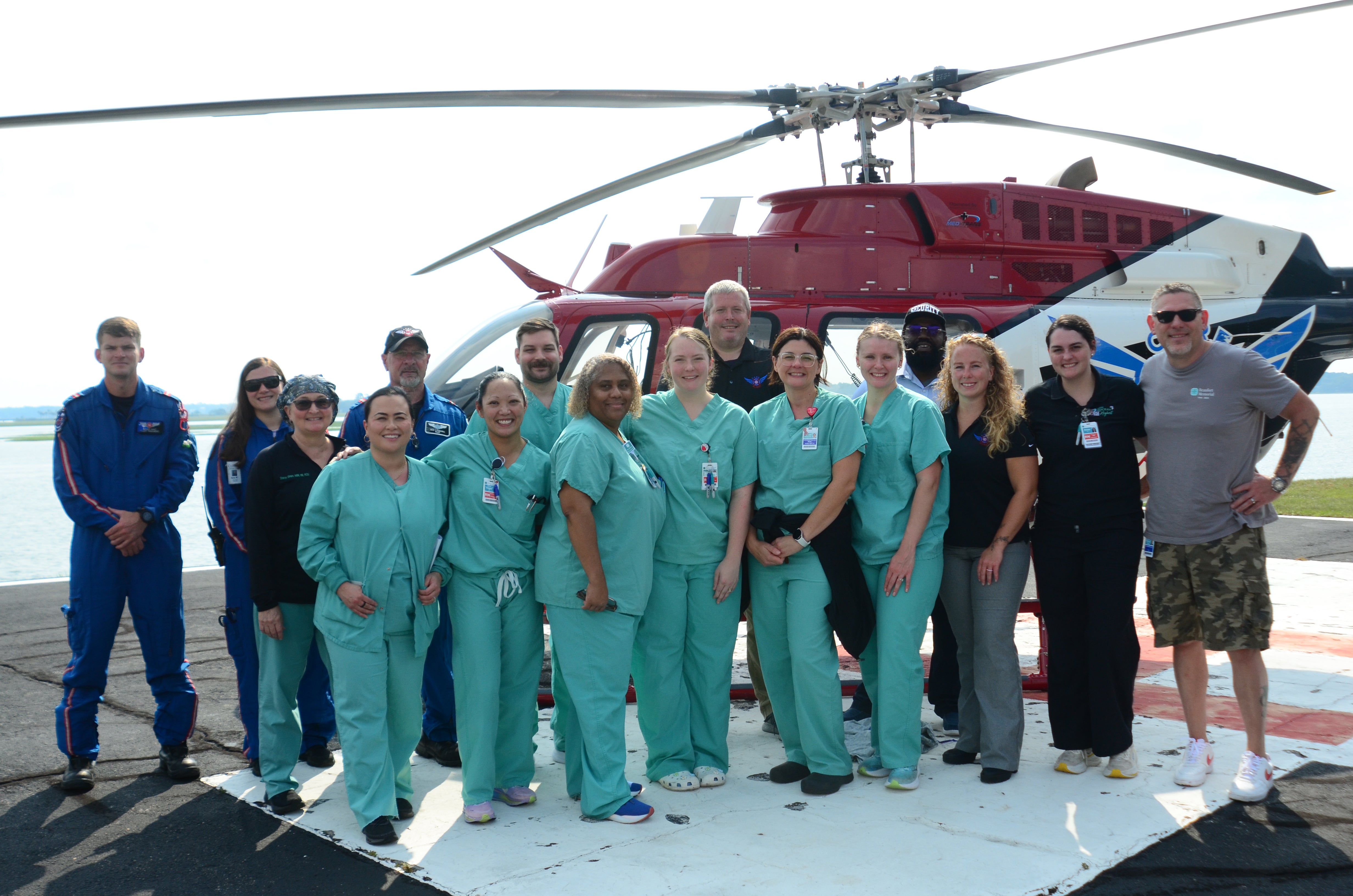
For a hospital like Beaufort Memorial to be prepared for a STEMI scenario, drills like the one held on July 31 exercise interdepartmental cooperation, communication and collaboration with community partners, such as first responders and medical flight transport teams.
Practicing Procedures, Coordinating Care
When a patient is experiencing a heart attack, there are many steps between the 911 call and that patient receiving care, and time is of the essence as first responders and clinical staff move through these steps.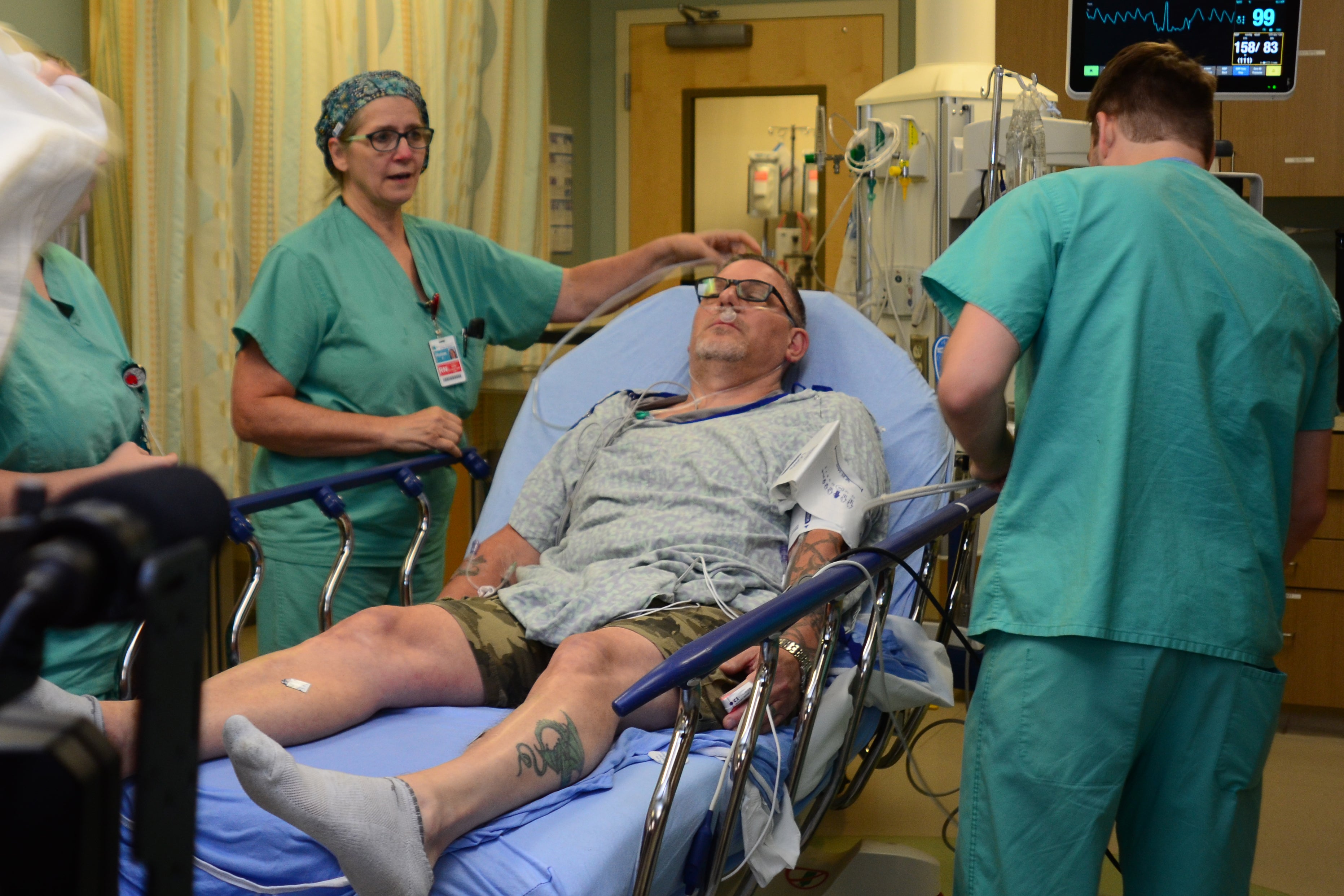
The process begins with the initial 911 call; the STEMI drill at Beaufort Memorial began with the simulated handoff of the acting STEMI patient (a 55-year-old male, in this instance) to emergency department (ED) staff.
From there, the drill simulated the triage process, the EKG/ECG (electrocardiogram) review, STEMI alert activation, lab activation and emergent transfer following interventional procedures, ending with transfer of the patient to C.A.R.E. Flight on the helicopter landing zone behind the hospital.
Drills like this are critical to practice the teamwork between involved departments and agencies and streamline the processes between EMS responders, ED staff, the Beaufort Memorial Hospital cath lab and C.A.R.E. Flight crews.
The step-by-step drill focused on the patient transfer process, overall patient and staff safety and effectiveness in the patient handoff scenario. Key to the drill is the evaluation of communication processes by observers that include hospital leadership and Quality & Safety officials.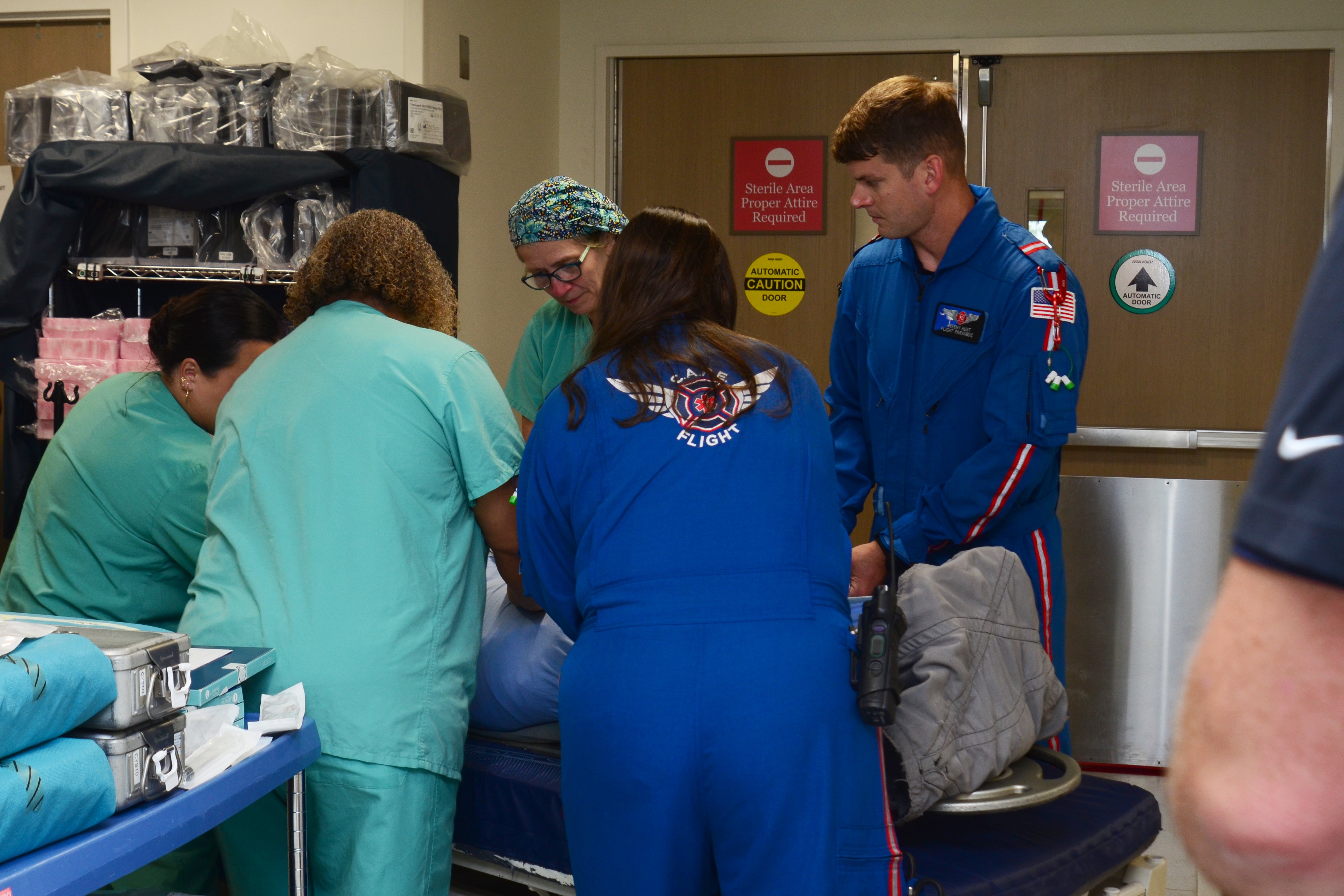
“This drill enables our staff to identify areas where we may be able to shorten the time between the patient’s onset of symptoms until the time they actually reach the cath lab for interventional procedures,” explained Ashley Morales, MSN, RN, CHSE, Beaufort Memorial Patient Safety/Quality Specialist and cardiac program coordinator. “The drill is a collaborative effort between the departments or agencies who work together to reach the best outcomes for our patients.”
Ancillary services were also involved in the drill, including respiratory therapy, lab, radiology and security.
“During a STEMI, teamwork is critical,” Dr. Smalheiser said. “This exercise is so important because it focuses on the processes of patients being transferred and cared for by multiple people – technologists, nurses, doctors and sometimes even other hospitals.”
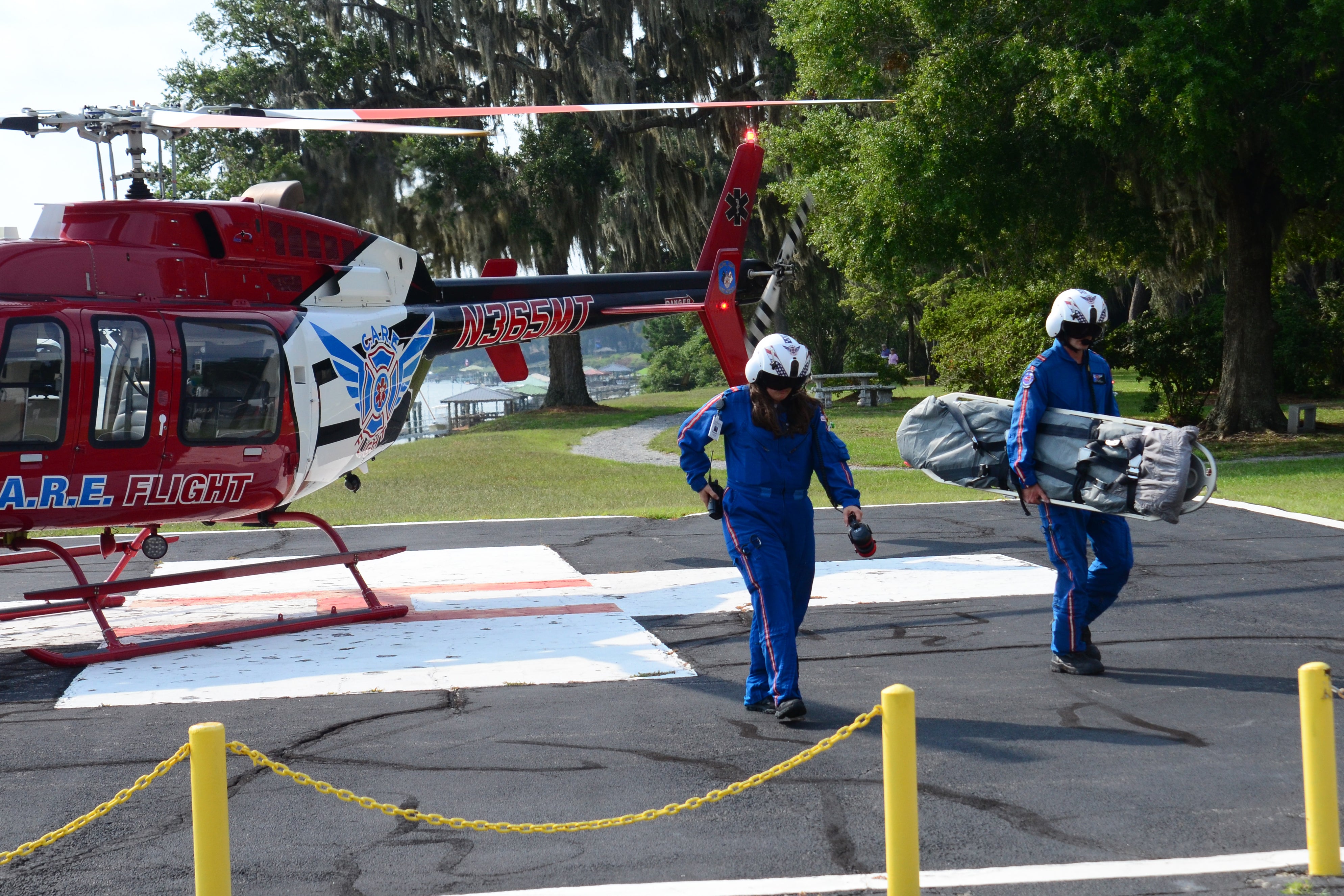
The final portion of the drill, taking place at the Beaufort Memorial helicopter landing zone, was a “hot load” simulation – loading a patient while the helicopter's rotors remain running. The C.A.R.E. Flight helicopter landed at about 10 a.m. on July 31.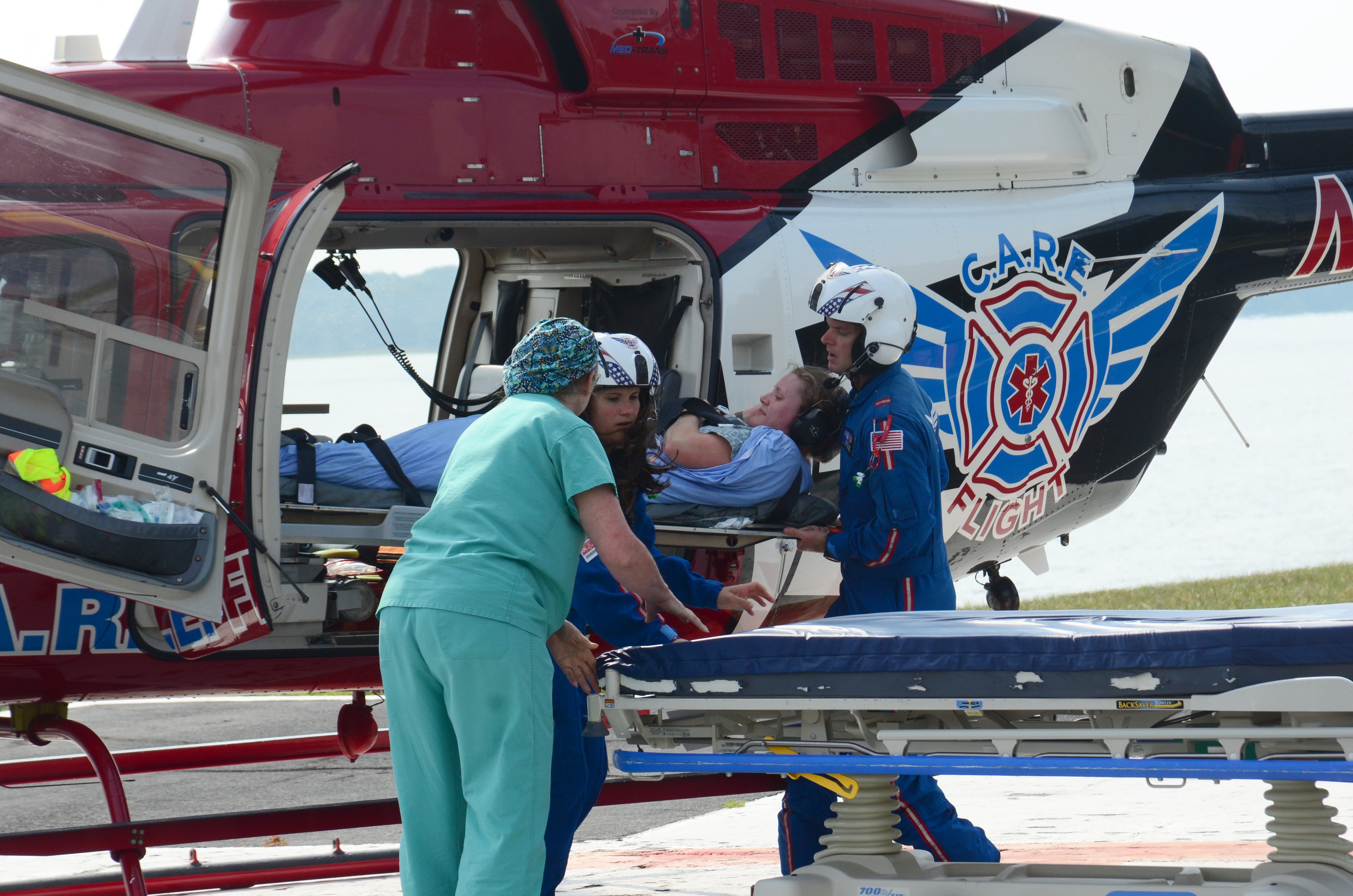
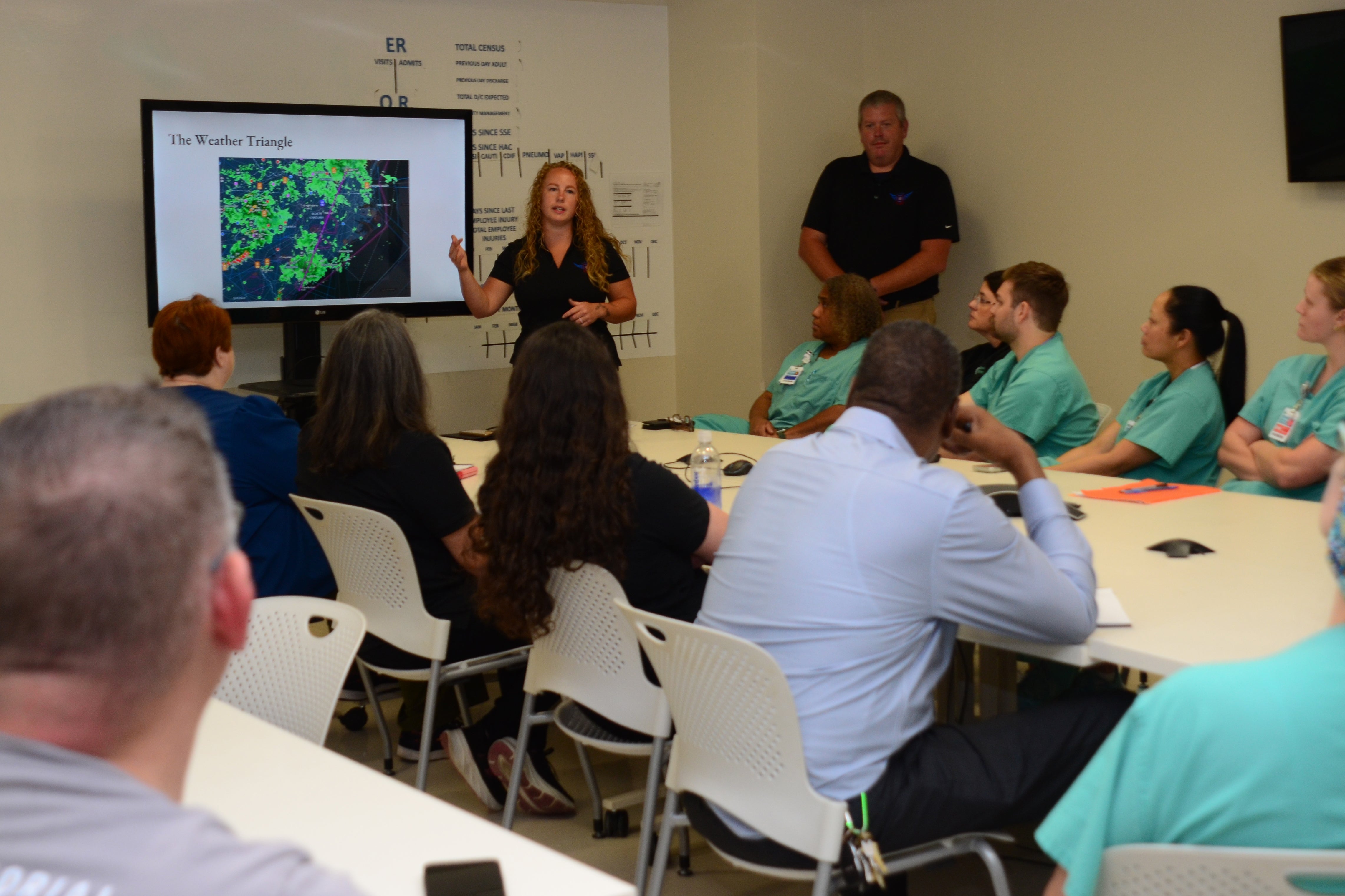
C.A.R.E. Flight certified flight registered nurse Brittney Marchant walked staff through the hot load process, sharing important safety information, how to properly and safely load patients and communication during this emergency procedure.
Cath lab staff simulated the process at the landing zone immediately after, with a C.A.R.E. Flight nurse and paramedic aiding them as they exited the building and worked together to load the patient into the craft.
“Once a STEMI is confirmed, if the patient needs more intervention – such as thoracic surgery – we would need to transfer them to a facility like MUSC,” Morales said. “The focus with the hot load portion of the drill is making sure that the staff are practicing safely and that they’re familiar with helicopter safety and protocols.”
A Life and Death Scenario
Minutes are a matter of life and death when it comes to emergencies like heart attacks.
Anyone experiencing heart attack symptoms should immediately call 911, Morales said.
“Many people try to drive themselves to the hospital – but we want to make sure that we are administering treatment as quickly as possible,” she explained. “Call 911 as soon as you start to have those symptoms: chest pain or pressure, shortness of breath, sometimes back or jaw pain.”
Drills like the STEMI simulation at Beaufort Memorial ensure that hospital staff, first responders and other local agencies are prepared to deliver life-saving care quickly, efficiently and with confidence.
“Community partnerships are essential,” Morales said. “You can’t expedite fast care without those partnerships, and that is one of the main purposes of this drill – making sure that we’re all communicating and facilitating care as efficiently as possible, as soon as possible.”
If you or someone you know experiences symptoms of a heart attack, call 911 immediately.
Call 843-770-4550 to learn more about Beaufort Memorial's heart and vascular services and to schedule an appointment with a board-certified cardiologist.
Related Providers
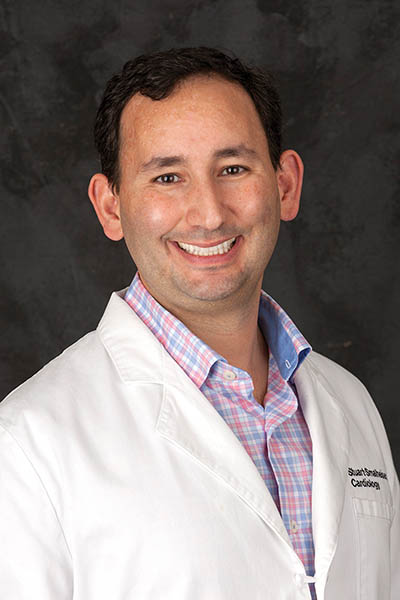

Stuart Smalheiser, M.D.
Cardiovascular Medicine +3 more
Accepting new patients
Beaufort Memorial Heart Specialists
300 Midtown Drive
•
Beaufort,
SC
29906