
Pelvic Pressure, Bloating and Frequent Urination: Could it be Fibroids?
November 25, 2026Categories: Women's Health
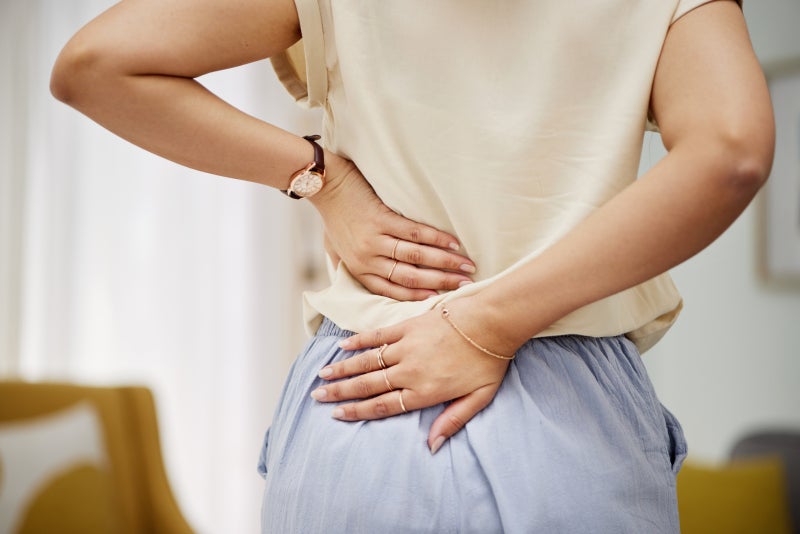
Aging, weight gain and digestive issues are often blamed when women are experiencing persistent pelvic pressure, abdominal bloating or frequent urination.
These symptoms can also be caused by uterine fibroids – noncancerous growths that develop in or on the uterus and affect millions of women during their reproductive years.
Can Fibroids Cause Pelvic Pressure, Bloating and Frequent Urination?
Yes, uterine fibroids can grow large enough to press on nearby organs, including the bladder and bowel. This pressure may cause pelvic heaviness, abdominal bloating, urinary frequency, constipation and lower back discomfort.
"Many women assume pelvic pressure, bloating or frequent urination are simply part of getting older, but those symptoms shouldn't be ignored,” says Dr. Curtis J. Elam, a board-certified physician who sees patients at Beaufort Memorial Obstetrics & Gynecology Specialists. “Fibroids can place significant pressure on nearby organs and affect quality of life long before a woman experiences heavy bleeding or pain."
Not all fibroids cause symptoms, but larger fibroids are more likely to create pressure-related problems.
What are Uterine Fibroids?
Uterine fibroids are benign growths made of muscle and connective tissue that develop within, on or around the uterus. They are the most common noncancerous tumors in women of reproductive age and can vary in size, number and location.
Many women with fibroids never experience any symptoms. Others develop symptoms that affect their everyday lives, including heavy menstrual bleeding, pelvic pain or pressure and changes in their urinary habits.
Read More: Heavy Menstrual Bleeding: Solutions for an Often-Silent Problem
How do Fibroids Cause Pelvic Pressure?
As fibroids grow, they can enlarge the uterus and occupy space within the pelvis.
When this happens, fibroids may press against:
- The bladder
- The bowel
- Pelvic nerves
- Lower back structures
This pressure can create a sensation of:
- Pelvic heaviness
- Pelvic fullness
- Lower abdominal pressure
- Pelvic discomfort
- Lower back pain
Many women describe the feeling as carrying a constant weight or fullness in the pelvis.
"One of the biggest misconceptions about fibroids is that they're only a problem if they're causing heavy periods,” explains Dr. Elam. “Pressure symptoms can be just as disruptive, and women often live with them for years before realizing a treatable condition may be the cause."
Read More: Adenomyosis vs. Endometriosis: What’s the Difference?
Can Fibroids Cause Bloating?
Yes. Bloating and fibroids in the uterus are commonly linked.
Unlike digestive bloating, which often fluctuates throughout the day, fibroid-related bloating may feel constant. As fibroids enlarge the uterus, they can make the abdomen feel swollen, tight or enlarged.
Signs Your Bloating Could Be Fibroid-Related
- Symptoms persist regardless of what you eat.
- Your lower abdomen appears larger over time.
- You also experience pelvic pressure.
- Your periods have become heavier or longer.
- You feel fullness even when not eating.
Some women report looking several months pregnant due to large fibroids despite no significant weight gain.
Read More: Spotting Between Periods? Learn Common Causes and What to Do
Why Do Fibroids Cause Frequent Urination?
The uterus sits directly behind the bladder.
When fibroids develop on the front wall of the uterus or become large enough to crowd the pelvis, they can compress the bladder and reduce its capacity. Even small amounts of urine in the bladder can trigger the sensation that you need to urinate.
"Because the uterus sits so close to the bladder, even benign fibroids can create urinary symptoms,” says Dr. Elam. “Many times, women are often surprised to learn that their frequent trips to the bathroom may have more to do with a fibroid than with their bladder itself."
Common Bladder Symptoms of Fibroids
- Frequent urination
- Urgency
- Waking up multiple times at night to urinate
- Difficulty completely emptying the bladder
- Ongoing pelvic pressure
Fibroids vs. Digestive Problems: How Can You Tell the Difference?
Because bloating is often associated with gastrointestinal conditions, many women assume their symptoms are solely digestive in nature.
Symptoms More Commonly Associated with Fibroids
- Pelvic pressure
- Frequent urination
- Heavy menstrual bleeding
- Enlarged lower abdomen
- Pelvic pain
- Lower back discomfort
Symptoms More Commonly Associated with Digestive Conditions
- Fluctuating symptoms, especially after eating
- Excess gas
- Heartburn
- Nausea related to meals
- Food-triggered symptom flare-ups
Fibroids can also occasionally contribute to constipation by pressing against the bowel, creating additional discomfort for patients.
When to See a Doctor About Pelvic Pressure or Bloating
You should schedule a medical evaluation with a women’s health provider if symptoms:
- Persist for several weeks
- Interfere with daily activities
- Wake you up at night
- Continue to worsen
- Occur alongside heavy menstrual bleeding
- Cause pain during intercourse
"Persistent pelvic pressure, abdominal fullness or urinary frequency are not symptoms women should simply accept as a normal part of aging,” Dr. Elam says. “An evaluation can help identify the underlying cause and determine whether fibroids may be contributing."
How Are Uterine Fibroids Diagnosed?
A gynecologist may identify fibroids through:
- A pelvic examination
- Ultrasound imaging
- MRI, when appropriate
- Additional diagnostic testing based on symptoms
Early diagnosis can help women better understand their treatment options and potentially avoid years of unnecessary pain and discomfort.
Read More: What to Know Before Your Upcoming Pap Test
What Treatments Are Available for Fibroids?
Treatment depends on the size of the fibroids, severity of symptoms, age and future pregnancy goals.
Options may include:
- Observation and monitoring
- Hormonal medications
- Minimally invasive procedures
- Myomectomy (fibroid removal)
- Hysterectomy (removal of the uterus)
Many women today can find relief through treatments that are much less invasive than traditional surgical procedures.
Don’t Ignore Pelvic Pressure or Pain
If you’ve been blaming persistent bloating, pelvic heaviness or frequent urination on age, stress or digestive issues, it may be time to look deeper. Uterine fibroids are common, treatable and often responsible for symptoms women endure for years before seeking help.
A conversation with your gynecologist can provide answers and help determine whether fibroids are contributing to your symptoms, allowing you to explore options for lasting relief.
At Beaufort Memorial, our women’s providers are here for you through every age and stage of life. Request an appointment with a women’s health provider today.
Featured Medical Expert

Curtis J. Elam, M.D., FACOG
Obstetrics & Gynecology
Accepting new patients
Related Providers

Curtis J. Elam, M.D., FACOG
Obstetrics & Gynecology
Accepting new patients
Beaufort Memorial Obstetrics and Gynecology Specialists
989 Ribaut Road
Suite 210, Beaufort Medical Plaza
•
Beaufort,
SC
29902