
Menopause Belly: What It Is, Why It Happens and How to Manage It
March 29, 2026Categories: Menopause, Women's Health
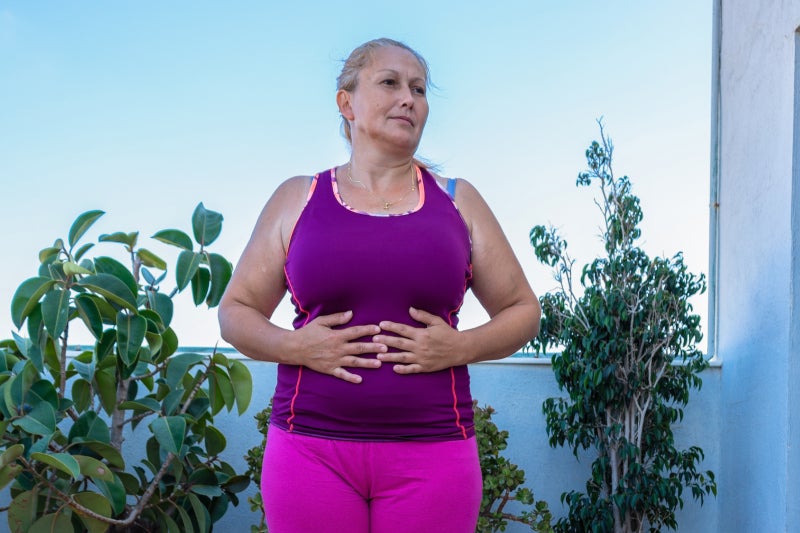
Menopause brings a lot of change. In the process of putting childbearing and menstruation behind you, you may experience unwanted symptoms, including weight gain. The Office on Women’s Health states that many women gain an average of five pounds following menopause. When the extra weight collects in your abdomen, it’s called menopause belly.
“It’s not uncommon for women to begin storing more fat in their abdominal area at menopause,” says Dr. Eve A. Ashby, a board-certified gynecologist with Beaufort Memorial Lowcountry Medical Group Specialty Care. “As frustrating as it is, there are ways to combat this change and protect your overall health.”
Menopause Belly Is Risky Business
Also known as visceral fat or central obesity, increased belly fat developed during menopause may make you feel uncomfortable in your own skin. It also increases your risk for cardiovascular disease.
Increased abdominal fat isn’t the only reason your heart is at risk after menopause. According to the American Heart Association, menopause brings other issues that can lead to heart disease, such as:
- Depression
- Hot flashes
- Night sweats
Read More: Menopause Treatments to Ease One of Life’s Inevitable Transitions
Why Menopause Leads to Increased Abdominal Fat
Increased belly fat is largely due to your body losing other things. Three main culprits are:
- Estrogen — Hormonal changes during menopause play a key role in shaping your body. “During the child-birthing years, estrogen helps distribute fat to your thighs, breasts and buttocks,” Dr. Ashby says. “That changes at menopause, when your body doesn’t produce as much estrogen. With declining estrogen levels, your fat stores shift to your abdomen, potentially leading to hormone-related weight gain and menopause belly.”
- Metabolism — The process of metabolism takes the food and drink you consume and uses it for energy. With less estrogen, you have a slower metabolism after menopause, leading to greater insulin resistance, which tends to deposit fat around the middle. One type of metabolism, basal metabolism, declines significantly as you go through menopause. This type of metabolism helps you burn calories while you go about your normal routine. With lower basal cell metabolism, you don’t burn as many calories, which leads to menopause belly and postmenopausal weight gain.
- Muscle mass — Your body begins losing muscle mass as early as age 30, and menopause’s hormonal changes can speed up the decline. Since muscle burns more calories than fat, you’re more likely to gain weight as you lose muscle mass. Additionally, less muscle leads to more severe menopausal symptoms, so your menopause experience may be more difficult if you enter this stage of life without much muscle mass.
Read More: What to Know About the Effects of Estrogen
Managing Menopause Belly
While you can’t stop every complication of menopause, there are steps that can help limit unwanted weight gain.
“Every woman’s experience is different, but you have a lot of control over how much weight you gain during menopause,” Dr. Ashby says. “It’s not always easy, but with hard work and determination, you can avoid or minimize menopause belly.”
For the most part, avoiding weight gain through menopause and beyond relies on tried-and-true approaches to general healthy living. These include:
- Eat foods packed with nutrition — Avoid sugary foods and drinks. Instead, get plenty of whole grains, fruits and vegetables. To help your body build muscle and hold fast to as much metabolism as possible, add some protein to every meal and snack you eat. Also, only eat when you’re hungry, not every time hot flashes wake you up in the middle of the night.
- Lift weights — Strength training helps you maintain muscle mass through menopause and beyond. This is important, as research published by the National Institutes of Health found that maintaining as much muscle mass as possible may reduce other menopausal symptoms.
- Sleep tight and chill out — You’re more likely to skip gym day when you’re tired, and you may wind up stress eating if you’re not careful. Do your best to get good sleep every night and manage the stress in your life to reduce your risk of weight gain.
Hormone replacement therapy may also help. It can improve your sleep and mental health, helping you make healthy choices that ward off excess belly fat. Recent studies have shown that combining GLP-1 receptor agonists – such as semaglutide or tirzepatide – with menopausal hormone therapy leads to significantly greater weight loss and improved metabolic health in post-menopausal women when compared with using GLP-1 agonists alone. This synergistic effect may help understand the connection to menopausal hormone changes, insulin resistance and onset of diabetes that many post-menopausal women develop.
“With a positive, determined attitude and persistence, you can keep your menopause belly from getting out of hand or from developing much at all,” Dr. Ashby says. “Menopause changes a lot, but your women’s health provider is here to support your long-term health and confidence.”
The Skinny on Menopause Belly
Menopause is a natural part of life that brings about many changes, including weight gain in the abdominal area. Known as menopause belly, the condition can be frustrating. Fortunately, you can take steps to limit the weight you gain during this time of change.
- In addition to making your jeans tighter, gaining weight around your belly increases your risk for various health conditions, including cardiovascular disease.
- Your body loses estrogen, metabolism and muscle mass during menopause. This loss can lead to weight gain.
- To reduce weight gain during menopause, eat healthy foods, exercise regularly and talk with your healthcare provider about hormone replacement therapy.
Request an appointment with a Beaufort Memorial women’s health provider.
Featured Medical Expert

Eve A. Ashby, D.O., FACOOG
Gynecology
Accepting new patients
Offers virtual visits
Related Providers

Eve A. Ashby, D.O., FACOOG
Gynecology
Accepting new patients
Offers virtual visits
Beaufort Memorial Lowcountry Medical Group Specialty Care
300 Midtown Drive
•
Beaufort,
SC
29906