
Embrace Hope: How Optimism Plays a Role in the Cancer Journey
December 30, 2025Categories: Cancer Care
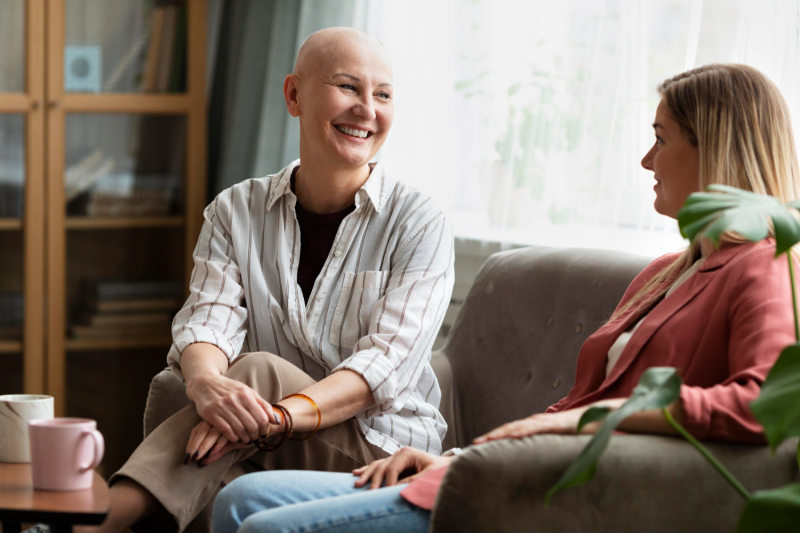
Facing a cancer diagnosis can be overwhelming, and it’s natural to feel fear, uncertainty and sadness. Yet many patients and survivors point to one thing that makes a real difference in their overall well-being: optimism.
While staying positive won’t guarantee a cure, research shows that having an optimistic outlook and believing in a better future can significantly improve quality of life.
Dr. Eric Turner, a board-certified and fellowship-trained medical oncologist with Beaufort Memorial Oncology Specialists at the Keyserling Cancer Center in Beaufort, says that optimism isn’t about putting on a brave face 24/7.
“It’s about maintaining hope, trusting the treatment process and acknowledging your emotions honestly,” he says. “This mindset can help patients stay engaged in their care, follow recommended treatments and feel more resilient through the ups and downs of treatment and recovery.”
“We have to ask ourselves what we mean by positivity. Is it being happy and smiling? In a good mood? Or generally believing in an optimistic outcome?” he says. “There are days and times of day where you feel better than others. Optimism, however, has more to do with the belief that things are going to work out well in the long run.”
Real Benefits of Optimism
Many patients, like Beaufort’s Victoria Carter, have found that for them personally, there is power in remaining positive through cancer treatment and survivorship.
Broad-scale benefits of optimism show impacts that include:
- Improved quality of life — positive attitudes are often linked with less stress, reduced anxiety and better overall emotional well-being, which helps patients cope with their diagnosis, treatment side effects and their day-to-day life along their journey.
- Greater treatment adherence – Optimistic patients are more likely to follow their care plans, attend appointments and work with their care teams, all of which can impact their overall outcome.
- Health beyond cancer – Some studies suggest that optimism is associated with lower risks of conditions like heart disease, showing that mindset can play a huge role in overall health, not just along a cancer journey.
“Of course, optimism doesn’t mean suppressing real feelings,” Dr. Turner says. “Feeling fear, anger or grief during cancer treatment is valid and often unavoidable. Embrace those emotions; they can coexist with hope.”
Seeking Support
Even with a positive outlook, a cancer journey can, at times, feel isolating. Even with supportive family and friends, few people outside of the cancer community fully understand the emotional and practical challenges that come with diagnosis and treatment.
For some patients and survivors, support groups can make a difference. These support groups can offer:
- Emotional connection and understanding — “Groups let you talk openly with others who know exactly what you’re going through – the fears, the frustrations, the small victories,” says Kianna Brown, LMSW, an oncology social worker at Beaufort Memorial. “That shared experience can make you feel less alone or isolated.”
- Practical advice and coping tools — Support group attendees often exchange tips or managing side effects, handling appointments, balancing work or family life and navigating the healthcare system. This practical wisdom can be invaluable.
- Flexible options to fit your needs — At Beaufort Memorial, support groups for all cancers as well as specifically breast cancer are held in person as well as over Zoom.
Support groups can help cancer patients and survivors stay grounded and hopeful, Brown said.
“Sharing fears or frustrations is as important as celebrating small wins,” she said. “They are a place for honesty, not forced positivity, and that authenticity can help create a sense of community that can promote mental well-being.”
Harnessing Hope and Community
A cancer diagnosis rarely feels fair, but hope and community can help you carry it. An optimistic mindset, while not a promise of a cure, can strengthen resolve and improve day-to-day wellbeing. Support groups offer understanding, practical advice and emotional backup, helping you remember that even though you may feel isolated at times, you’re not alone.
Are you looking for support for yourself of a loved one with cancer? Attend our Cancer Support Group and meet others who can relate to what you're going through.
Featured Medical Expert

J. Eric Turner, M.D.
Medical Oncology +1 more
Accepting new patients
Related Providers


Kianna S. Brown, LMSW
Oncology Social Worker +1 more
Beaufort Memorial Keyserling Cancer Center
989 Ribaut Road
On the Beaufort Memorial Campus
•
Beaufort,
SC
29902
J. Eric Turner, M.D.
Medical Oncology +1 more
Accepting new patients
Beaufort Memorial Oncology Specialists
989 Ribaut Road
Suite 310, Beaufort Medical Plaza (Use front entrance)
•
Beaufort,
SC
29902