
Does Cancer Show Up in Blood Work? Your Questions Answered
November 22, 2026Categories: Cancer, Cancer Care
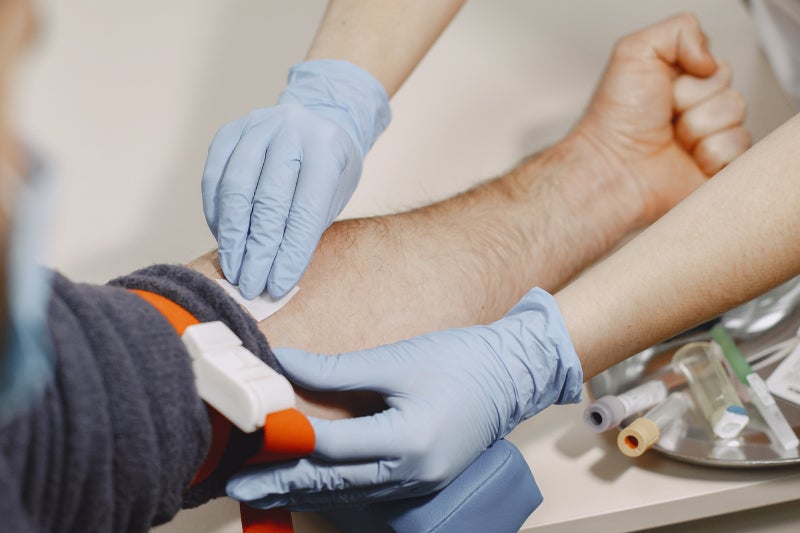
Your providers remind you about so many cancer screenings — mammograms, colonoscopies, even skin checks. Some of these tests, such as a prostate-specific antigen (PSA) test for prostate cancer biomarkers, only take a blood draw.
So why not all of them? Why can a blood test find some cancers and not others?
“Cancer has different ways of showing up in the human body,” explains Dr. Eric Turner, a medical oncologist who sees patients at Beaufort Memorial Oncology Specialists. “Healthy people can have a wide range of ‘normal’ results, while even people with cancer sometimes have results in the normal ranges.”
Here is a closer look at what blood tests can and cannot tell you about your cancer risk and when your provider may recommend other types of testing.
Can a Blood Test Detect Cancer?
The short answer: sometimes. Providers may use blood tests to detect signs of certain types of cancer. However, just because a blood test shows signs of cancer does not mean you necessarily have that cancer.
For example, a blood test can reveal a low red blood cell count (anemia), which can be a sign of colorectal cancer — but on the other hand, anemia could also mean you have heavy periods. Your provider would need to do other tests before making a cancer diagnosis.
- Common blood tests for cancer screening, diagnosis or treatment monitoring include:
- Complete blood count (CBC)
- Liquid biopsy
- Tumor marker test
Read More: The At-Home Colon Cancer Test: Is It a Smart Choice for You?
What a Complete Blood Count Can Tell You
Blood is made up of several kinds of cells. A CBC tells you how many of each type you have and whether they’re larger or smaller than normal.
Here’s what a CBC measures and what it can mean in terms of cancer:
- Red blood cells carry oxygen to your cells. A low red blood cell count could indicate anemia, a sign of colorectal cancer.
- White blood cells fight infection. A low white blood cell count could suggest bone marrow problems or leukemia.
- Platelets help with blood clotting. Low platelets could suggest liver cancer or blood cancers such as leukemia or lymphoma.
- Hemoglobin, hematocrit and mean corpuscular volume tell you more about the size and makeup of your red blood cells.
Tumor Marker Tests and What They Measure
Cancerous tumors make proteins and other substances known as tumor markers. Healthy cells may also produce tumor markers as a reaction to cancer in your body.
Providers may look at tumor markers to see whether you have cancer, how aggressive it is or whether it’s responding to treatment. Often, tissue for tumor marker tests comes from a tumor sample (biopsy), but some samples are collected with a blood draw.
Here are a few well-known examples of tumor markers and cancers they may help diagnose:
- BRCA1 and BRCA2 gene mutations — Breast, ovarian, pancreatic and prostate cancer
- Immunoglobulins — Multiple myeloma
- PSA — Prostate cancer
Circulating Tumor Cell Tests and Liquid Biopsies
Tumor cells have their own unique genetic material. When they shed bits of that material into your body, it can be sampled via a blood or urine test known as a liquid biopsy.
Liquid biopsy can identify early-stage cancers. Providers also use liquid biopsy to see how well cancer is responding to treatment.
Why Blood Work Alone Usually Isn’t Enough to Diagnose Cancer
Blood tests aren’t usually specific enough to diagnose cancer. A CBC, for instance, can indicate problems but can’t tell you what’s causing them.
In the same way, tumor markers don’t always mean you have cancer. Other illnesses sometimes produce tumor markers, and some people with cancer may have low levels of tumor markers.
You may see multi-cancer detection tests advertised online. These tests have high rates of false positives. They can also produce false negatives (saying you don’t have cancer when you do). Discuss the pros and cons with your provider before trying one.
When Additional Testing May Be Recommended
If a blood test shows signs of cancer, you need to learn more. Generally, that means imaging tests and a biopsy. Those tests can tell where suspicious tissue is located and whether it’s really cancer.
You may also need additional testing for cancer if your blood tests come back normal, but you still have concerning symptoms.
“I may tell you, ‘Your blood work looks fine,’” Dr. Turner says. “But I still want to hear about any troubling symptoms you’re feeling. Your blood count may look good, but you can still feel rotten. I promise, we’ll listen.”
Signs and symptoms common to many cancers include:
- Fatigue or exhaustion
- Lack of appetite or unexplained weight loss
- Night sweats and fever
- Pain without a known cause
- Swelling or lumps in your body
Always see your provider if you have these or other unexplained health problems.
Read More: Genetic Testing for Cancer: Who Should Consider Testing and How It Can Help Prevent Cancer
The Bottom Line: Blood Work Is a Clue, Not a Diagnosis
Blood work is a great indicator of health problems, but it can’t definitively tell whether you have cancer. Remember:
- Blood tests play an important role in cancer detection and treatment monitoring.
- To diagnose cancer, your provider needs imaging studies and a biopsy.
- Always feel confident letting your provider know when you don’t feel well or have concerning symptoms. They’ll help you find the answers you need.
Have questions about your cancer risk or an abnormal blood test? The Beaufort Memorial cancer care team can help you understand what your results may mean and determine whether additional testing or screening is appropriate.
Featured Medical Expert

J. Eric Turner, M.D.
Medical Oncology +1 more
Accepting new patients
Related Providers

J. Eric Turner, M.D.
Medical Oncology +1 more
Accepting new patients
Beaufort Memorial Oncology Specialists
989 Ribaut Road
Suite 310, Beaufort Medical Plaza (Use front entrance)
•
Beaufort,
SC
29902