
Diet and heart disease risk are intertwined to a degree you may not realize. Simply put, what you eat and drink every day helps shape the health of your heart now and in the future. Along with exercise, diet is one of the most important heart disease risk factors in your control. That means you have the power to help or harm your heart with what you choose to fuel your body.
Read More: Take Charge of Your Heart Health
Foods Your Heart Hungers For
Think of a heart-healthy diet as two sides of the same coin. On one side are foods that can reduce your risk of heart disease if you choose them consistently. They include fruits and vegetables, whole grains, fat-free or low-fat dairy products, and healthy sources of protein, such as beans, eggs, fish, and skinless chicken and other lean meats. The Mediterranean diet, a specific diet recommended by the American Heart Association and American College of Cardiology, includes many of those heart-healthy foods.
“I recommend the Mediterranean diet to all of my heart disease patients,” says Dr. Francis O’Neill, interventional cardiologist at Beaufort Memorial Heart Specialists. “It’s the only diet that’s proven to reduce risk of stroke and heart attack. The Mediterranean diet’s most important tenet is cooking with olive oil as a healthy source of fat while avoiding the more rigidly high cholesterol foods like beef and pork. It’s an excellent diet, and my colleagues and I strongly advocate for it.”
Read More: Healthy Eating Tips for Busy Schedules
Diet and Heart Disease: Foods to Avoid
On the other side of the heart-healthy diet coin are foods you should avoid or eat only in moderation because they can increase your risk for heart attack and stroke. They include:
- Foods and beverages with added sugars. Added sugars are found in many processed foods because they can enhance flavor or extend shelf life. Most sugar that people consume is in sugar-sweetened beverages. The liver converts sugar in the form of dietary carbohydrates to fat and its derivatives, so consuming too much sugar can lead to an increased accumulation of fat, fatty liver disease and Type 2 diabetes. Too much sugar can also raise your blood pressure and increase chronic inflammation, which are risk factors for heart attack and stroke.
- Full-fat dairy products. These foods are high in saturated fat and cholesterol, both of which can contribute to the accumulation of plaque and other substances in the blood. That can narrow your arteries, increasing heart attack and stroke risk.
- Red and processed meats. These contain saturated fats and trans fats, both of which can harm your heart. Trans fats can increase your low-density lipoprotein (bad) cholesterol while lowering high-density lipoprotein (good) cholesterol, which makes you more vulnerable to heart disease and stroke. Interestingly, shrimp is one of the highest cholesterol sea-faring foods that we consume. This should also be taken in sparingly.
- Sodium-rich foods. Many processed foods contain high levels of sodium, which is a component of salt. Too much sodium can lead to high blood pressure.
Is a Vegetarian Diet Good for Your Heart?
A plant-based diet can be beneficial for your heart because it excludes red and processed meats, which can lead to a lower intake of saturated fats, trans fats and cholesterol.
“Individuals following a vegetarian diet sometimes find it difficult to get all of the nutrients they need because they have to eat a wide variety of foods to do so,” Dr. O’Neill says. “There are questions about whether a vegetarian diet decreases cardiovascular events. So far, only the Mediterranean diet is proven to do that. The majority of the benefits of vegetarian diet is that it forces an individual to eat more vegetables and organic plant matter, which are anti-inflammatory. For the right patient, it can be a good choice, but caution should be used with plant based proteins and tofu which can be strong Xeno-estrogens that sap you of energy, or fill your liver with toxins, as in “Beyond” products, which are flavored with a Heme derivative, the main product that makes your blood carry oxygen, and therefore makes Beyond products taste like meat.”
For some people on a vegetarian diet, supplements and fortified foods may be necessary to fill nutritional gaps. If you’re considering this type of diet, a registered dietitian can help you make a plan to get the nutrients you need. You could also plan a meatless meal at least once a week to enjoy some of the benefits of reducing meat in your diet.
“The best proteins for your heart that you can consume are fish and chicken, with skin and as much fat removed as possible,” Dr. O'Neill says.
The Keto Diet and Heart Disease
The ketogenic (keto) diet focuses on using ketones, which are derived from fat, instead of carbohydrates to provide energy for the body. As a result, the keto diet is high in fat, and the potential consequences for heart health are unclear. As of now, a short term course of this diet would not be unreasonable if your health is otherwise fair, but the long term effects may be severe with a diet high in fat.
Read More: Your Occupation & Heart Health
Understanding the relationship between diet and heart disease can help you make the best decisions for your health — and your heart. To develop heart-healthy habits, start by making incremental changes.
Are you ready to start putting your heart first? Find a Beaufort Memorial cardiologist who can help you make a plan to prevent or manage heart disease.
Learn how a Beaufort Memorial registered dietitian can help you adopt healthier eating habits.
Featured Medical Expert
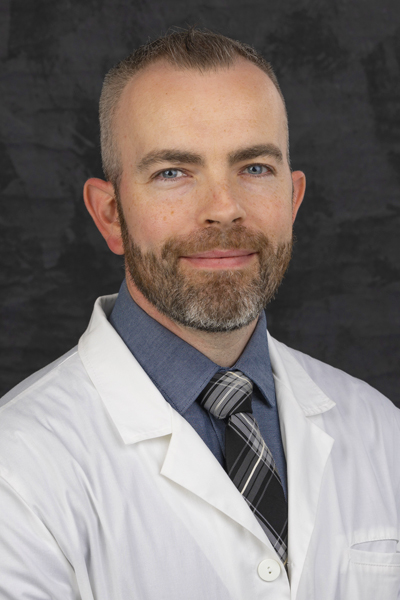
Francis O'Neill, M.D.
Interventional Cardiology +2 more
Accepting new patients
Related Providers

Francis O'Neill, M.D.
Interventional Cardiology +2 more
Accepting new patients
Beaufort Memorial Heart Specialists
300 Midtown Drive
•
Beaufort,
SC
29906